Can You Plug a Hair Dryer Into an Extension Cord?
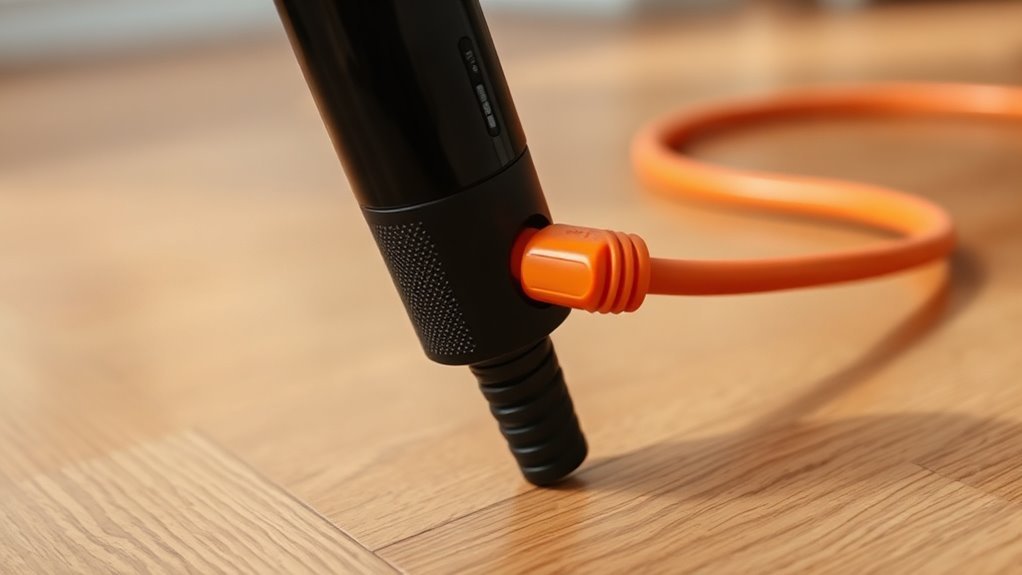
You can plug a hair dryer into an extension cord, but only if you use a heavy-duty one rated for high wattage. Look for a cord with 14-gauge or thicker wire and a grounded three-prong plug. This helps make sure it can handle the power your hair dryer needs without any issues.
Avoid using worn-out or lightweight cords because they can overheat, melt the insulation, or even cause fires. Always check that the cord’s amp rating matches your dryer’s requirements before plugging it in. And hey, keep an eye out for any warmth or burning smells when using the extension cord.
If you want to guarantee safe use or explore better options, it’s a good idea to keep learning about the details. Safety first, right?
Key Takeaways
- Hair dryers can be plugged into extension cords only if the cord is heavy-duty and rated for high-wattage appliances. Use extension cords with 14-gauge or thicker wire and grounded three-prong plugs for safety.
- Avoid lightweight, damaged, or long extension cords to prevent overheating and fire hazards. Always check that the cord’s amp rating matches or exceeds the hair dryer’s requirements before you use it.
- If the cord becomes warm or smells burnt during use, unplug it immediately. This helps you avoid electrical damage or the risk of fire.
Is It Safe to Use a Hair Dryer With an Extension Cord?

Although it might seem convenient, using a hair dryer with an extension cord isn’t always safe. Hair dryers draw a lot of power, and many extension cords aren’t designed to handle that load.
Using a hair dryer with an extension cord can be risky since many cords can’t handle the high power draw.
If you plug your hair dryer into a lightweight or damaged cord, it can overheat, creating a fire hazard. You need to make sure the extension cord is rated for the hair dryer’s wattage and has a proper gauge thickness.
Also, avoid using cords with frayed insulation or exposed wires. If the extension cord gets hot while in use, unplug it immediately.
To stay safe, it’s best to use a heavy-duty extension cord specifically designed for high-wattage appliances. Or better yet, plug your hair dryer directly into a wall outlet whenever possible.
What Happens If You Use the Wrong Extension Cord for Your Hair Dryer?

If you use the wrong extension cord for your hair dryer, it can overheat quickly and become a fire hazard. You might also cause electrical damage that could ruin your hair dryer or the wiring in your home.
Overheating Risks
When you use the wrong extension cord for your hair dryer, you risk overheating that can damage both the cord and your device. Extension cords not rated for high wattage draw more current than they’re designed to handle.
This causes the cord’s wires to heat up excessively, which can melt insulation and create a fire hazard. You might notice the cord becoming unusually warm or even smelling burnt.
Overheating can also cause the hair dryer to malfunction or shut off unexpectedly. To avoid these risks, always choose an extension cord with a gauge and amperage rating that matches or exceeds your hair dryer’s power requirements.
Using the right cord keeps both your hair dryer and your home safe from preventable heat-related damage. So, it’s really worth taking a moment to pick the right one!
Electrical Damage Potential
What happens inside your hair dryer when you plug it into the wrong extension cord? The cord might not handle the power your hair dryer demands, causing electrical damage that can ruin your device or even create hazards.
Using the wrong extension cord can lead to burnt wires inside the hair dryer, permanently damaging its motor. It can also increase the risk of electrical shorts that trip breakers or cause shocks.
The extension cord itself might melt or char, which is a serious fire risk. Plus, using the wrong cord can void your hair dryer’s warranty because it’s considered improper use.
You might think it’s harmless, but using an underpowered or damaged extension cord puts your hair dryer and your safety at risk. Always match the extension cord’s gauge and rating to your hair dryer’s power needs to avoid costly damage.
What Types of Extension Cords Work Best for Hair Dryers?

Choose an extension cord with a heavy-duty rating to safely power your hair dryer. Look for cords labeled for high wattage appliances, typically marked as 14-gauge or thicker wire. These cords handle more current without overheating.
Avoid thin, light-duty cords designed for low-power devices like lamps or chargers, as they can pose fire risks. Also, pick an extension cord with a grounded three-prong plug to guarantee proper safety.
The cord’s length matters too—shorter cords reduce voltage drop, helping your hair dryer perform efficiently. Finally, make sure the cord is in good condition, with no frays or damage.
Using the right extension cord protects your hair dryer and your home from electrical hazards. So, it’s definitely worth taking the time to choose one that’s up to the job!
How to Tell If Your Extension Cord Can Handle Your Hair Dryer
Although many extension cords look similar, not all can safely handle the high wattage of your hair dryer. You need to check a few key details before plugging in.
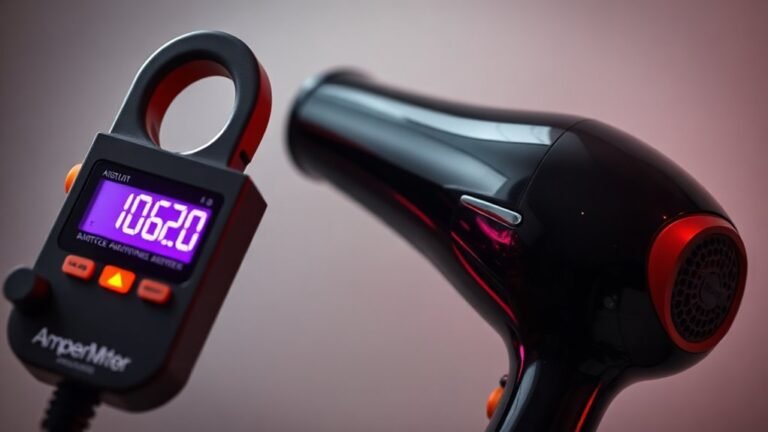
First, look for the cord’s gauge: a lower number means it can carry more power. Next, check the amp rating; it should match or exceed your hair dryer’s amps. Also, inspect the length—longer cords reduce power and can overheat.
Check the cord’s gauge, amp rating, and length to ensure safe, efficient power for your hair dryer.
Finally, be sure the cord is rated for heavy-duty use, often indicated on the packaging or cord itself.
- Feel confident knowing your cord won’t overheat
- Avoid the stress of a blown fuse or fire hazard
- Keep your hair dryer working at full strength
- Protect your home and loved ones from electrical risks
Tips for Plugging in a Hair Dryer Safely
Always make sure you plug your hair dryer directly into a suitable outlet or a properly rated extension cord to prevent electrical hazards. Before plugging in, inspect the cord for any damage or fraying.
Use an extension cord that matches or exceeds the hair dryer’s amperage requirements. Avoid using long or thin cords, as they can overheat.
Keep the cord untangled and away from water or wet surfaces to reduce the risk of electric shock. Don’t overload the outlet by plugging in multiple high-wattage devices simultaneously.
When unplugging, pull by the plug, not the cord, to avoid damage. And remember, always turn off your hair dryer before unplugging it to prevent sparks and help it last longer.
Following these tips helps keep you and your home safe. It’s pretty simple but really important!
Alternatives to Extension Cords for Hair Dryers
If you find yourself hesitant to use extension cords for your hair dryer due to safety concerns or inconvenience, there are other options you can consider. Choosing the right alternative can keep you safe while making your routine easier and more efficient.
Here are some solutions you might find helpful:
- Use a longer power cord hair dryer: Avoid extension cords altogether with a dryer that suits your space.
- Install additional outlets: Adding outlets closer to your styling area reduces the need for extensions.
- Use a power strip with surge protection: If you must extend, choose a heavy-duty, surge-protected power strip.
- Consider cordless hair dryers: They offer portability and freedom without any cords to worry about.
These alternatives help you stay safe and stress-free while styling. Give them a try and see which one works best for you!
Frequently Asked Questions
Can a Hair Dryer Damage an Extension Cord Over Time?
Yes, using a hair dryer with an extension cord can damage it over time. The high power draw may cause overheating, melting, or fraying.
You should use a heavy-duty cord rated for high wattage to avoid risks. It’s really important to pick the right extension cord so you don’t run into problems later on.
Are There Specific Brands of Extension Cords Better for Hair Dryers?
Of course, you’ll find extension cords claiming to be “hair-dryer-friendly,” but honestly, just pick heavy-duty ones with thick gauge wires.
Don’t trust flashy brands; instead, make certain they can handle high wattage without overheating or melting on you.
It’s really about the specs, not the name. Just double-check the cord’s rating before you buy!
How Does Voltage Affect Using a Hair Dryer With an Extension Cord?
Voltage affects how safely your hair dryer operates with an extension cord. If the voltage drops too low, your dryer won’t work properly and might overheat.
Can Extension Cords Cause Hair Dryers to Overheat?
Oh, absolutely, because who wouldn’t want their hair dryer to throw a little heat tantrum?
Yes, extension cords can cause it to overheat if they’re cheap or long, so choose wisely and keep things safe.
Is It Safe to Use a Hair Dryer With a Wireless Extension Cord?
You shouldn’t use a hair dryer with a wireless extension cord because it might not handle the high power. It can overheat or cause electrical issues, so stick to a heavy-duty, grounded cord for safety.
Honestly, it’s just not worth the risk. Hair dryers pull a lot of electricity, and most wireless extension cords aren’t built for that kind of load. Better safe than sorry, right?
Conclusion
Using a hair dryer with the wrong extension cord is like trying to sail a small boat through a storm—it’s risky and could lead to sparks flying. You want an extension cord that can handle the heat and power without overheating or tripping breakers.
Always check the cord’s rating and keep safety in mind. When in doubt, choose a heavy-duty cord or plug directly into a wall socket to keep your hair routine smooth and worry-free.
In short, plugging a hair dryer into an extension cord is possible but only if the cord is rated for the dryer’s power needs. Using an underrated extension cord can cause overheating, damage, or even fire hazards. So, always opt for a heavy-duty extension cord designed for high-wattage appliances or simply use a wall outlet. This way, you ensure safe operation and protect both your hair dryer and your home’s electrical system. Safety first means a stress-free hair drying experience every time!