Blog

  • How to Dry Your Hair Without a Blow Dryer in 7 Steps

    To dry your hair without a blow dryer, start by gently blotting with a microfiber towel or soft cotton T-shirt. This helps absorb water without causing frizz.

    Next, section your hair to speed up drying and make sure it dries evenly. Then, detangle gently with your fingers or a wide-tooth comb.

    After that, apply a small amount of leave-in conditioner to smooth out any frizz. You can let your hair air-dry naturally or braid it for some added texture.

    Finally, finish with a cool mist spray to refresh and polish your look. Keep going to discover more tips for flawless drying.
  • How Do I Dry My Hair Without a Blow Dryer in 7 Steps?

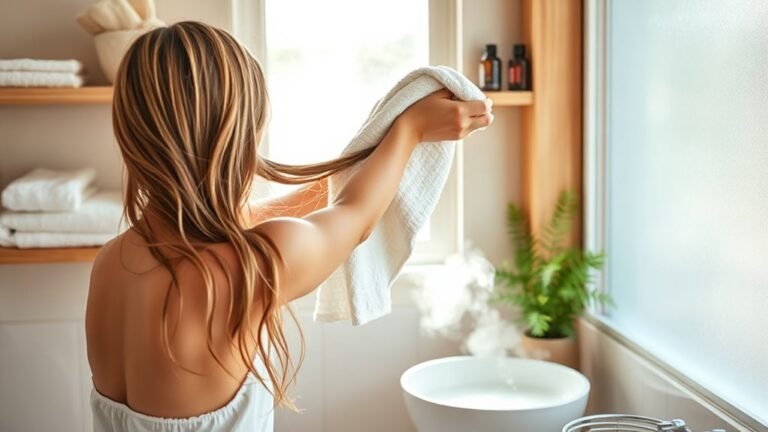
    To dry your hair without a blow dryer, start by gently squeezing out excess water without twisting. Use a microfiber towel or soft cotton T-shirt to absorb moisture, pressing instead of rubbing.

    Detangle your hair carefully with a wide-tooth comb or fingers before applying leave-in conditioner or hair oil to reduce frizz. Divide your hair into sections to air dry evenly and avoid touching it as it dries.

    Finish by setting your style with a cool mist for smoothness. There’s more to mastering this simple routine. Just take it step by step, and you’ll get the hang of it!

  • How Hot Does a Hair Dryer Get?

    A typical hair dryer heats air between 140°F and 180°F. This helps you dry your hair quickly while preventing immediate damage.

    Lower heat settings are great for finer or damaged hair. On the other hand, higher settings work better for thick or coarse hair—but too much heat can cause dryness and breakage.

    Many dryers use technologies like ceramic or ionic elements to distribute heat more evenly and reduce harm. If you want to protect your hair and learn the best heat practices, keep going.

  • How Hot Does a Hair Dryer Get?

    Your hair dryer heats up to around 140°F to 180°F on most models, but professional or high-end dryers can go over 200°F.

    The heat setting you choose and airflow speed affect how hot it actually feels. Higher temperatures dry faster but can damage your hair if used often.

    For safer styling, keep it moving and use lower heat for fine or damaged hair. Keep going to find out how heat impacts hair health and tips for safe use.

  • Best Oils for Managing Dry Scalp Psoriasis

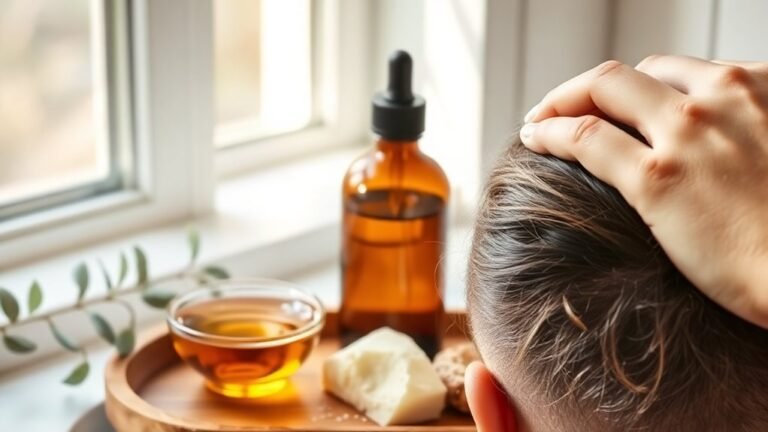
    You can manage dry scalp psoriasis effectively by using oils like tea tree, jojoba, coconut, argan, castor, and olive oil. Tea tree oil fights inflammation and fungus while controlling dandruff.

    Jojoba and coconut oils lock in moisture to soothe irritation and reduce flakes. Argan oil calms redness, and castor oil boosts scalp health.

    Olive oil softens scales and supports healing. Keep exploring these oils, and you’ll find more ways they can ease your psoriasis symptoms.

  • Best Home Remedies for Dry Scalp Relief

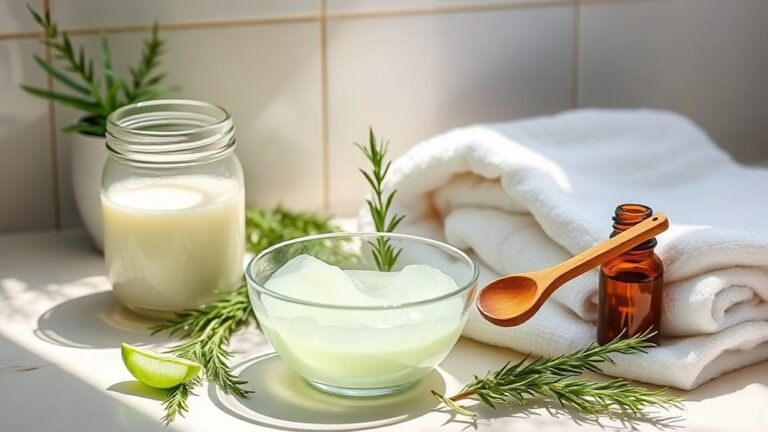
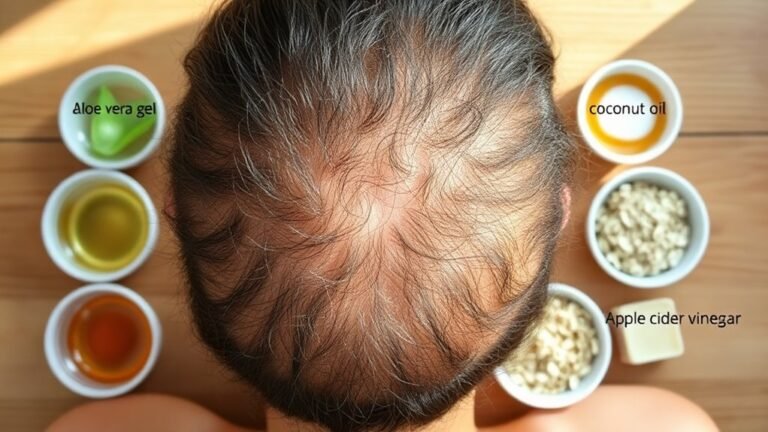
    You can soothe your dry scalp by massaging warm coconut oil onto it. Leave it for at least 30 minutes to hydrate deeply.

    Aloe vera gel calms irritation and redness. Plus, an apple cider vinegar rinse balances pH and removes buildup.

    Adding tea tree oil to your shampoo helps reduce flakes and itching. And a honey-olive oil mask restores softness.

    Try these natural remedies regularly. You’ll find even more ways to relieve scalp dryness effectively.

  • 7 Best Hair Dyes for Scalp Psoriasis – Safe Choices for Sensitive Skin

    If you have scalp psoriasis, choose gentle, ammonia-free, and hypoallergenic hair dyes enriched with soothing natural ingredients like chamomile, aloe vera, and jojoba oil to minimize irritation. Look for brands like Naturtint, Herbatint, and Tints of Nature that avoid harsh chemicals such as PPD, parabens, and sulfates.

    Semi-permanent options can also reduce chemical exposure. You’ll find safer ways to color your hair while protecting sensitive skin and maintaining scalp health when exploring these careful choices.

  • Top 7 Best Treatments for Dry Scaly Scalp You Need to Try

    You’ll want to try medicated anti-dandruff shampoos with zinc pyrithione or ketoconazole to reduce flakes and soothe irritation. Moisturizing scalp oils like jojoba or argan help lock in hydration, while aloe vera and tea tree oil naturally calm and fight inflammation.

    For severe cases, prescription treatments offer powerful relief. Adding gentle exfoliating scrubs and nourishing hair masks supports scalp health, and lifestyle changes boost lasting results.

    Keep exploring to uncover the best ways to refresh your scalp. It’s all about finding what works best for you and sticking with it!

  • Best Shampoos for Clean Scalp: Top 7 Reviewed

    You want a shampoo that clears your scalp of buildup, controls dandruff, and soothes irritation. Neutrogena T/Gel and Nizoral A-D tackle flakes effectively with therapeutic ingredients.

    Paul Mitchell and Briogeo offer natural oils like tea tree for gentle detox and refreshment. Head & Shoulders Clinical Strength delivers daily relief, keeping your scalp comfortable.

    Kiehl’s and Maple Holistics add targeted dandruff control. Keep exploring to discover which shampoo perfectly matches your scalp’s needs and hair type.

  • Best Shampoos for Men With Dry Scalp

    If you’re dealing with dry scalp, look for shampoos containing tea tree oil, aloe vera, or zinc pyrithione to soothe itching and hydrate your skin. Top picks for men include Nizoral A-D, Head & Shoulders Clinical Strength, and Dove Men+Care Dry Scalp Shampoo, which combine gentle cleansing with moisture.

    Use lukewarm water and massage your scalp well for best results. This helps the ingredients work better and keeps your scalp feeling refreshed.

    Keep following along to uncover more tips and solutions for lasting scalp health. Trust me, your scalp will thank you!