Top 7 Best Treatments for Dry Scaly Scalp You Need to Try
You’ll want to try medicated anti-dandruff shampoos with zinc pyrithione or ketoconazole to reduce flakes and soothe irritation. These ingredients are great for tackling dry, scaly scalp issues effectively.
Moisturizing scalp oils like jojoba or argan help lock in hydration, keeping your scalp nourished and less prone to dryness.
Aloe vera and tea tree oil naturally calm and fight inflammation, making them perfect for sensitive scalps. For severe cases, prescription treatments offer powerful relief that over-the-counter products might not provide.
It’s also helpful to add gentle exfoliating scrubs and nourishing hair masks to your routine; they support scalp health by removing dead skin and boosting moisture.
Don’t forget lifestyle changes like staying hydrated and managing stress, which can make a big difference in maintaining a healthy scalp.
Keep exploring these treatments to uncover the best ways to refresh and revive your dry, scaly scalp for long-lasting results.
Key Takeaways
- Use medicated anti-dandruff shampoos with zinc pyrithione or ketoconazole to reduce flakes and soothe scalp irritation effectively. These ingredients really help calm your scalp and keep those flakes at bay.
- Apply moisturizing scalp oils like jojoba or argan regularly to restore hydration and reduce dryness and itchiness. It’s a simple step that can make a big difference over time.
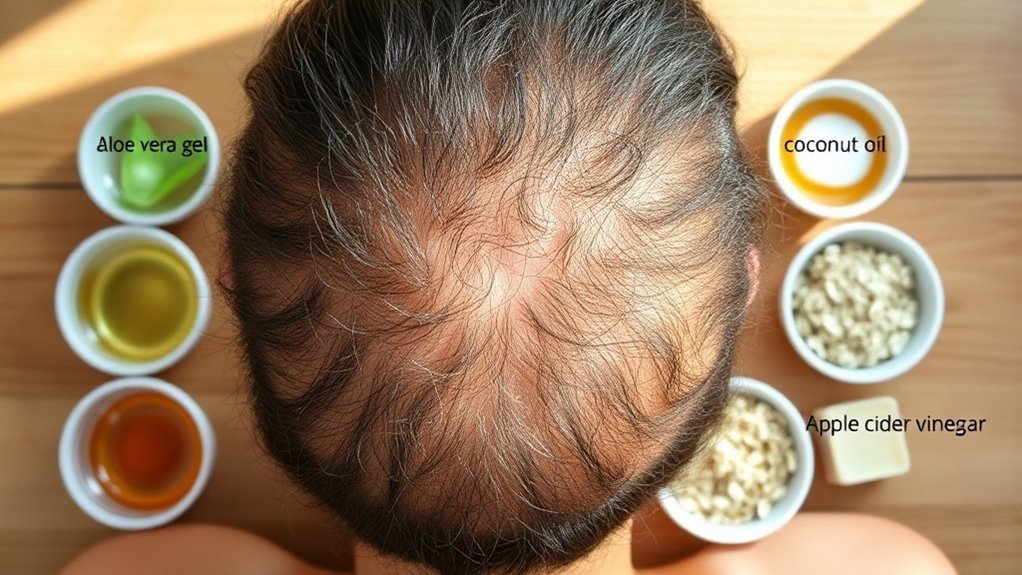
- Incorporate natural remedies such as aloe vera gel and tea tree oil to calm inflammation and fight fungal causes of scaling. These natural options are gentle but powerful for your scalp’s health.
- Use hydrating masks with ingredients like shea butter and hyaluronic acid once or twice weekly for deep moisture and flake reduction. Treating your scalp to some extra hydration can really help soothe dryness.
- Maintain scalp health by drinking water, eating nutrient-rich foods, avoiding harsh chemicals, and massaging the scalp to boost circulation. Taking care of yourself from the inside out always shows on your scalp!
Medicated Anti-Dandruff Shampoos
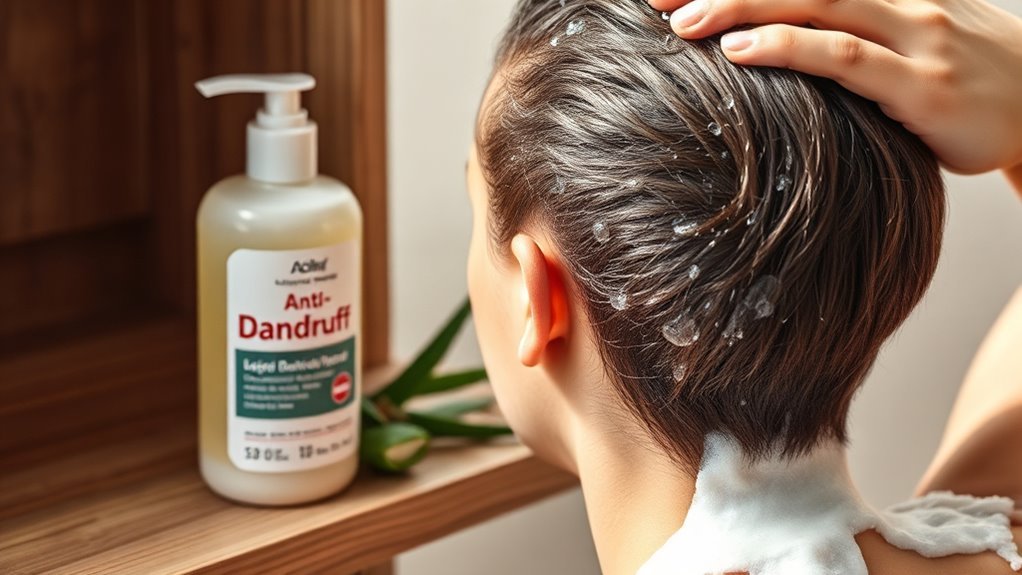
Although dry, scaly scalp can be stubborn, medicated anti-dandruff shampoos offer an effective way to reduce flakes and soothe irritation. When you use these shampoos regularly, they target the underlying causes like fungal overgrowth or excess skin cell production.
Ingredients such as zinc pyrithione, ketoconazole, or selenium sulfide work to calm inflammation and curb flaking. You should apply the shampoo directly to your scalp, letting it sit for a few minutes to maximize its benefits before rinsing.
Just don’t over-wash, since that can strip your scalp’s natural oils and make dryness worse. Consistency is key here; using the shampoo two to three times a week often brings noticeable improvement.
Always follow the product’s instructions, and if your symptoms stick around or get worse, it’s a good idea to check in with a dermatologist.
Moisturizing Scalp Oils and Serums
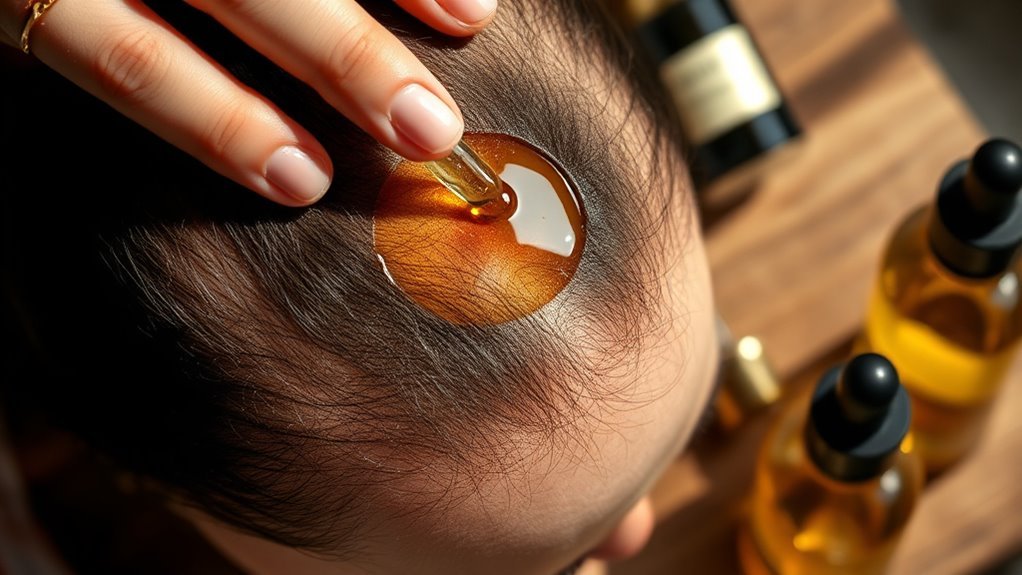
When your scalp feels dry and flaky, moisturizing oils and serums can provide much-needed relief by locking in hydration and soothing irritation. You can apply lightweight oils like jojoba, argan, or grapeseed directly to your scalp to restore moisture without clogging pores.
These oils mimic your scalp’s natural oils, helping to rebalance and protect it throughout the day. Serums formulated with hyaluronic acid or glycerin attract and hold moisture, keeping your scalp supple and less prone to flakes.
For best results, massage your chosen product gently into your scalp before bedtime, allowing it to absorb overnight. Regular use not only calms dryness but also reduces itchiness and improves overall scalp health, making your hair look shinier and feel softer.
Natural Remedies With Aloe Vera and Tea Tree Oil
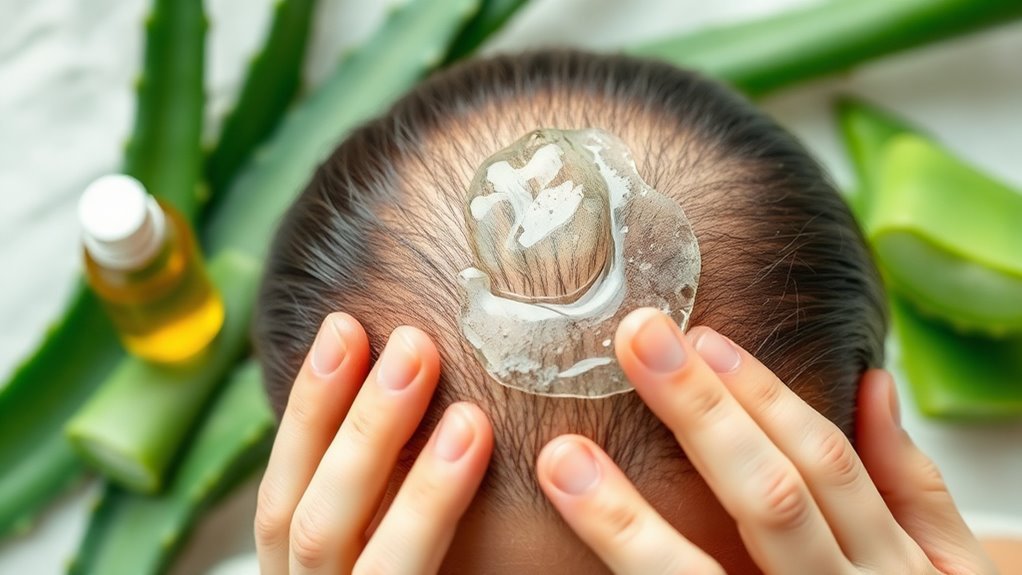
You can soothe your dry, scaly scalp with natural remedies like aloe vera, which hydrates and calms irritation. It’s really great for adding moisture back to your skin.
Tea tree oil helps fight dandruff and reduces inflammation with its antifungal properties. So, it’s perfect if your scalp feels itchy or flaky.
Combining these two can bring relief and improve your scalp’s health effectively. Give it a try—you might be surprised at how well they work together!
Aloe Vera Benefits
Aloe vera offers powerful soothing properties that can ease the discomfort of a dry, scaly scalp. When you apply aloe vera gel directly to your scalp, it hydrates and calms irritation, reducing redness and flakiness.
Its natural enzymes gently exfoliate dead skin cells, helping to clear buildup without causing dryness. You can use pure aloe vera gel as a mask or mix it with your regular shampoo for added moisture.
Because it’s lightweight and non-greasy, aloe vera won’t weigh down your hair or leave residue. Plus, its anti-inflammatory effects soothe itching and promote a healthier scalp environment.
Tea Tree Oil Uses
Two natural ingredients stand out for treating a dry, scaly scalp: tea tree oil and aloe vera. Tea tree oil’s antimicrobial properties help reduce dandruff, soothe itching, and calm inflammation.
You can mix a few drops with aloe vera gel to create a gentle, healing scalp treatment that moisturizes and heals simultaneously. It’s easy to make and feels great on your scalp.
Here’s why tea tree oil is a must-try for your scalp:
| Benefit | How It Helps You Feel |
|---|---|
| Reduces Flakiness | Experience relief from visible flakes |
| Soothes Itching | Feel comfort instead of irritation |
| Fights Bacteria | Enjoy a cleaner, healthier scalp |
| Boosts Hair Health | Notice stronger, shinier hair |
Give tea tree oil a chance—you’ll quickly appreciate its natural, soothing power. It might just become your new go-to for scalp care!
Prescription Treatments for Severe Scalp Conditions
When over-the-counter remedies fail to ease severe dry, scaly scalp issues, prescription treatments can offer stronger relief. Your doctor may recommend specific medications tailored to your condition’s severity. This helps reduce inflammation and control symptoms more effectively.
Here are some common prescription options you might encounter:
- Topical corticosteroids: Quickly reduce inflammation and itching.
- Antifungal shampoos: Target stubborn fungal infections causing scaling.
- Calcineurin inhibitors: Provide an alternative to steroids for sensitive skin.
- Coal tar preparations: Slow skin cell growth and ease scaling.
- Oral medications: For severe cases, systemic treatments may be necessary.
Gentle Exfoliating Scalp Scrubs
You can improve your dry, scaly scalp by using gentle exfoliating scrubs to remove dead skin and unclog hair follicles. Look for scrubs with safe, soothing ingredients like oatmeal or jojoba beads to avoid irritation.
Regular exfoliation helps restore your scalp’s natural balance and promotes healthier hair growth. It’s a simple step that can make a big difference!
Benefits of Exfoliation
Although it might seem simple, exfoliating your scalp regularly can dramatically improve its health and appearance. When you gently remove dead skin cells and buildup, you allow your scalp to breathe and function better.
This process can help relieve itchiness and reduce flakiness, making your scalp feel refreshed. Plus, exfoliation stimulates blood circulation, promoting healthier hair growth and improving the effectiveness of your hair care products.
Here are some key benefits you’ll notice:
- Eliminates dry, flaky skin and reduces dandruff
- Clears clogged hair follicles to prevent scalp acne
- Enhances scalp hydration by allowing moisturizers to penetrate
- Promotes stronger, shinier hair through improved scalp health
- Soothes irritation and balances oil production
Incorporating exfoliation into your routine can really transform your scalp’s condition for the better. Give it a try and see the difference for yourself!
Choosing Safe Ingredients
Exfoliating your scalp can bring great benefits, but choosing the right ingredients in your scalp scrub makes all the difference. You want gentle exfoliants like jojoba beads or finely ground oatmeal that won’t irritate or damage your skin.
Avoid harsh physical scrubs with large, rough particles that can cause microtears and worsen dryness. Look for calming ingredients such as aloe vera, chamomile, or tea tree oil to soothe irritation and reduce inflammation.
Steer clear of sulfates, parabens, and artificial fragrances, as they can strip natural oils and trigger sensitivity. Always patch-test new products to verify they suit your scalp’s needs.
Lifestyle Changes to Support Scalp Health
When you adopt simple lifestyle changes, you can greatly improve your scalp’s health and reduce dryness and flakiness. Small daily habits make a big difference in soothing your scalp and preventing irritation.
Start by adjusting your routine with these tips:
- Drink plenty of water to keep your skin hydrated from within.
- Eat a balanced diet rich in omega-3 fatty acids, vitamins, and minerals.
Try to avoid excessive heat styling and harsh chemical treatments. These can really damage your scalp over time.
Also, use gentle, sulfate-free shampoos to prevent stripping natural oils. It’s a small change that can have a big impact.
And don’t forget to manage stress through relaxation techniques like meditation or exercise. Stress can play a major role in scalp issues, so taking care of your mind helps your scalp too.
Hydrating Hair Masks and Deep Conditioning Treatments
Hydrating hair masks and deep conditioning treatments provide intense moisture that your dry, scaly scalp desperately needs. When you apply these treatments, they penetrate deep into your scalp and hair follicles, replenishing lost hydration and soothing irritation.
Look for masks with ingredients like aloe vera, coconut oil, shea butter, or hyaluronic acid—they lock in moisture and reduce flakiness. Use them once or twice a week after shampooing, leaving the mask on for 10-20 minutes to let it fully absorb.
Rinse thoroughly with lukewarm water to avoid stripping away moisture. Consistent use will restore your scalp’s natural balance, reduce dryness, and promote healthier hair growth.
Don’t forget, pairing these treatments with gentle scalp massages enhances absorption and boosts circulation, accelerating healing. It’s a simple step that really makes a difference!
Frequently Asked Questions
Can Diet Affect the Severity of a Dry, Scaly Scalp?
Yes, your diet can affect your dry, scaly scalp’s severity. Eating foods rich in omega-3s, vitamins A, D, and E helps nourish your scalp.
At the same time, avoiding excessive sugar and processed foods reduces inflammation and dryness. So, what you eat really does play a role in how your scalp feels and looks.
How Often Should I Wash My Hair With Medicated Shampoos?
Don’t overdo it, but don’t neglect it either. You should wash your hair with medicated shampoos 2-3 times a week to balance treatment and scalp health without causing dryness or irritation.
It’s all about finding what works best for you, so pay attention to how your scalp responds and adjust accordingly.
Are There Specific Hairstyles That Worsen Scalp Dryness?
Yes, tight hairstyles like ponytails, braids, or buns can worsen scalp dryness by restricting airflow and causing irritation.
It’s better to go for looser styles to keep your scalp healthy. This way, you can prevent further dryness or flaking.
Can Stress Contribute to a Dry, Flaky Scalp?
Stress acts like a storm cloud, drenching your scalp with tension and dryness. When you don’t manage it, your scalp flakes like withered leaves.
Is It Safe to Use Essential Oils Directly on the Scalp?
You shouldn’t use essential oils directly on your scalp without diluting them first. They can cause irritation or allergic reactions.
It’s best to mix them with a carrier oil to keep your scalp safe. That way, you can enjoy their benefits without any risk.
Conclusion
Think of your scalp as a garden—nurture it with the right treatments, and it will bloom with health and liveliness. Whether you choose medicated shampoos, soothing oils, or natural remedies, each step you take waters your roots, washing away dryness and flakiness.
By embracing gentle care and lifestyle changes, you’re not just treating your scalp; you’re cultivating a thriving foundation for your hair’s future. Your journey to a vibrant scalp starts with the choices you make today.
Dry, scaly scalp can be stubborn, but with the right treatments like moisturizing shampoos and nourishing oils, you can soothe irritation and promote healing. Remember, consistency is key—try these top treatments regularly to see real improvements. Taking care of your scalp isn’t just about comfort; it’s about ensuring your hair stays strong and healthy for the long haul. Start treating your scalp gently today, and watch your hair flourish!