Can Hair Dryer Noise Hurt Ears?
Yes, hair dryer noise can hurt your ears if you use it often without breaks. Many hair dryers reach 70–90 decibels, which is near or even above the safe 85-decibel limit for hearing. This means that frequent exposure to loud noise from a hair dryer could potentially damage your ears over time.
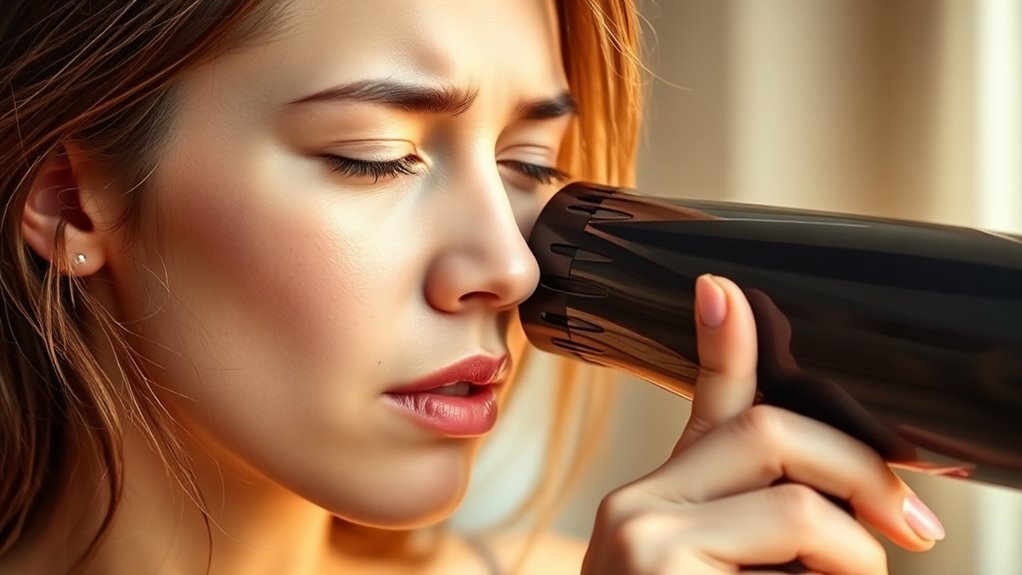
Prolonged exposure, especially when the dryer is held close to your ears, can cause gradual hearing damage or ear fatigue. It’s not just about loudness; the duration and proximity really matter here.
To protect your hearing, consider using quieter hair dryer models or lowering the speed setting. Limiting how long you use the dryer can also make a big difference.
Keep an eye out for warning signs like ringing in your ears or discomfort. Learning how to keep your hearing safe while styling helps you enjoy your routine without harming your ears.
Key Takeaways
- Hair dryer noise often ranges from 70 to 90 decibels, which can approach or exceed safe hearing thresholds. Prolonged exposure above 85 decibels may cause gradual hearing damage and hearing fatigue over time.
- Using hair dryers close to the ears or for long durations increases the risk of hearing harm. So, it’s a good idea to be cautious about how you use them.
- Warning signs of damage include muffled hearing, difficulty understanding speech, ear fullness, or tinnitus. If you notice any of these, it might be time to give your ears a break.
- Limiting drying time, using quieter models, and keeping distance between the dryer and ears reduces hearing risk. These small changes can make a big difference in protecting your hearing.
How Loud Are Hair Dryers vs. Safe Noise Levels?
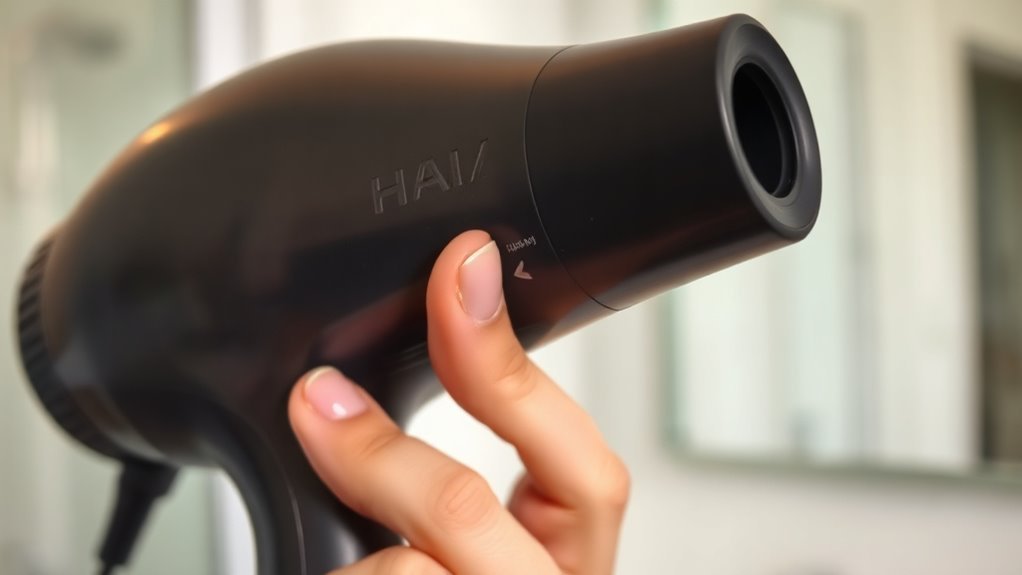
Hair dryers often produce noise levels ranging from 70 to 90 decibels, which can frequently approach or exceed safe listening thresholds. When you use a hair dryer, the sound it makes can be as loud as heavy traffic or a lawn mower.
For context, experts generally agree that prolonged exposure to noise above 85 decibels may risk hearing damage. Since many hair dryers operate near or above this level, it’s important to be aware of how loud your device is.
You can check the noise level in the product specifications or test it with a smartphone app. Knowing these details helps you manage your exposure and protect your ears, especially if you use a hair dryer regularly or for long periods.
Can Daily Hair Dryer Noise Harm Your Hearing?
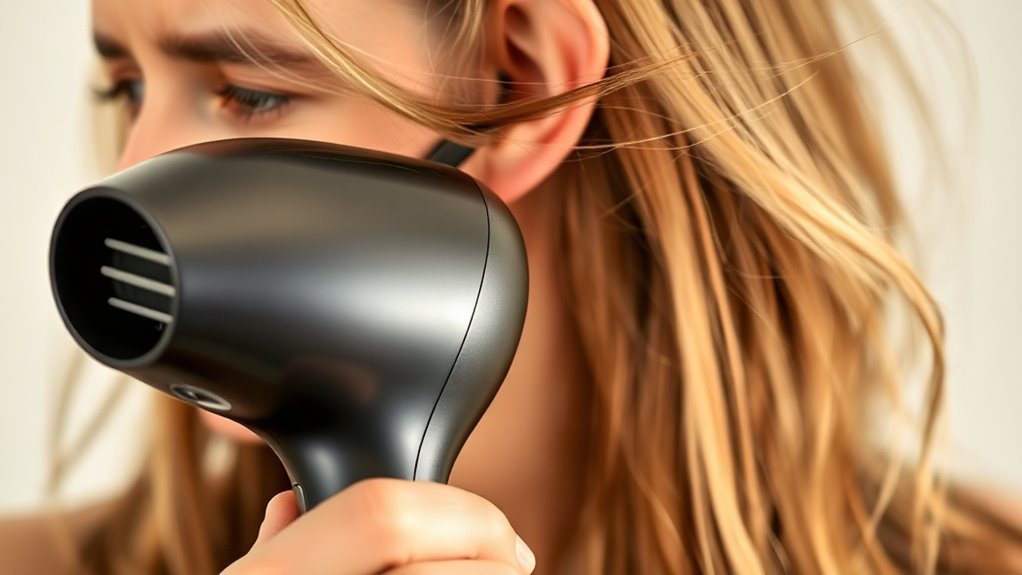
Although many people use a hair dryer daily without noticing immediate effects, consistent exposure to its noise can gradually impact your hearing. The sound levels, often ranging between 70 to 90 decibels, can contribute to hearing fatigue and long-term damage if you’re not careful.
Daily hair dryer noise, typically 70-90 decibels, can slowly cause hearing fatigue and potential long-term damage.
You might not feel the harm right away, but over time, the noise can strain your auditory system.
Consider these factors when using a hair dryer daily:
- Duration of exposure influences hearing risk.
- Proximity to your ears increases sound intensity.
- Your ear’s sensitivity varies individually.
- Background noise can mask hair dryer loudness.
- Repeated exposure without breaks elevates damage potential.
Being mindful of these can really help you protect your hearing while styling. Just a little awareness goes a long way!
Safe Hair Dryer Usage Times to Protect Hearing
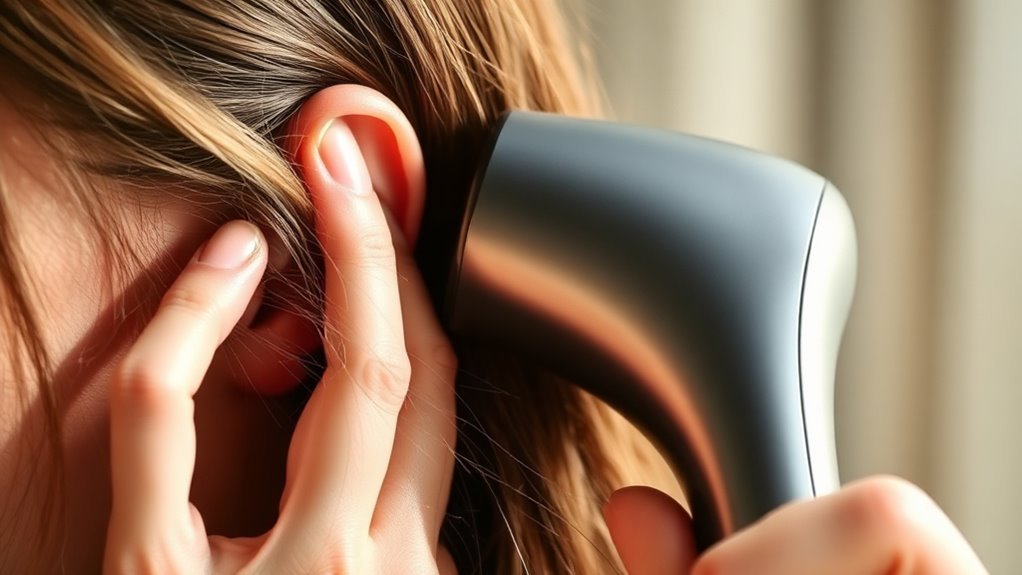
Since your ears can only handle so much noise before they start to suffer, limiting the time you spend using a hair dryer is key to protecting your hearing. Experts suggest keeping sessions under 15 minutes to reduce exposure to harmful noise levels.
If you need more time, take breaks between uses to let your ears recover. Using your hair dryer on lower heat and speed settings can also shorten drying time, further protecting your ears.
Remember, prolonged exposure to noises above 85 decibels can damage hearing, and many hair dryers exceed this level. By managing how long you use your hair dryer each day, you can enjoy styling without putting your ears at risk.
Easy Ways to Protect Your Hearing When Using Hair Dryers
You can protect your hearing by using your hair dryer on lower volume settings and keeping it at a safe distance from your ears. Try to limit how long you use it each time to reduce noise exposure.
These simple steps help prevent damage without sacrificing your styling routine. It’s pretty easy to do, and your ears will thank you for it!
Use Lower Volume Settings
Many hair dryers come with multiple volume settings that let you control the noise level. Using lower volume settings can markedly reduce the risk of damaging your ears while drying your hair.
You don’t have to sacrifice drying efficiency to protect your hearing. By choosing quieter modes, you minimize exposure to harmful noise levels.
Here are some tips to help you use lower volume settings effectively:
- Select the lowest noise setting that still dries your hair efficiently.
- Use the cool or warm settings instead of the highest heat, as they’re often quieter.
- Limit drying time when using louder settings.
- Choose hair dryers designed for quiet operation.
- Combine lower volume with other protective habits for better ear health.
These small changes can make a big difference in preserving your hearing. Give them a try!
Maintain Safe Distance
Although hair dryers are essential for quick styling, keeping a safe distance from your ears can markedly reduce noise exposure and protect your hearing. When you hold the dryer too close, the sound pressure increases, which can strain your ears over time.
Aim to keep the nozzle at least six inches away from your head. This simple adjustment lowers the intensity of the noise reaching your eardrums without compromising drying efficiency.
You can also use attachments like diffuser nozzles to help disperse airflow more evenly at a safer distance. By maintaining this space, you reduce the risk of long-term hearing damage and make your hair-drying routine safer.
Limit Usage Duration
When you limit how long you use your hair dryer, you markedly reduce the strain on your ears caused by prolonged noise exposure. Extended exposure to loud sounds can lead to temporary or even permanent hearing damage.
To protect your ears effectively, keep your drying sessions short and efficient. Here are some practical tips to help you limit usage duration without sacrificing style:
- Set a timer to remind yourself to stop after a few minutes.
- Use a high-quality hair dryer with faster drying capabilities.
- Towel-dry your hair thoroughly before using the dryer.
- Focus on targeted drying rather than blasting your entire head.
- Alternate drying sessions with breaks to give your ears a rest.
Quiet Hair Dryers That Are Safer for Your Ears
You’ll often find that quiet hair dryers protect your ears better by producing less noise without sacrificing performance. These models use advanced technology to reduce sound levels, making your daily routine more comfortable and safer for your hearing.
When shopping, look for dryers with noise levels below 70 decibels. Here’s a quick comparison of popular quiet hair dryers to help you choose:
| Model | Noise Level (dB) | Key Feature |
|---|---|---|
| WhisperDry 3000 | 62 | Ionic technology |
| SilentBreeze Pro | 65 | Lightweight design |
| CalmAir Ultra | 68 | Multiple heat settings |
Choosing one of these can lower your risk of ear damage while keeping your hair dry and styled efficiently. It’s a smart move for your ears and your hair routine!
When to See a Doctor for Hair Dryer Hearing Damage
If you notice persistent ear pain or any sudden hearing loss after using a hair dryer, you should see a doctor right away. Don’t ignore ringing or tinnitus that lasts longer than a few hours.
Getting a professional evaluation can help prevent further damage. It’s better to be safe and get checked out sooner rather than later.
Persistent Ear Pain
Although hair dryer noise is usually harmless, persistent ear pain should never be ignored. If you experience ongoing discomfort after using a hair dryer, it’s important to recognize when to seek medical advice.
Persistent pain might indicate underlying damage or irritation that needs professional evaluation. So, don’t just brush it off.
You should see a doctor if you notice continuous earache lasting more than a day or sharp or stabbing pain during or after using the hair dryer. Also, pay attention if you feel a sensation of fullness or pressure in the ear.
Difficulty sleeping because of ear discomfort is another sign to watch for. And if the pain is accompanied by dizziness or ringing, that’s definitely a reason to get checked out.
Ignoring these symptoms can make things worse. So, it’s best to get a prompt consultation to ensure proper diagnosis and treatment.
Taking these steps helps protect your ear health from any potential harm caused by loud or prolonged hair dryer use. Better safe than sorry!
Hearing Loss Symptoms
When exposure to loud hair dryer noise causes hearing loss, recognizing the symptoms early can make a big difference in protecting your ears. You might notice sounds becoming muffled or difficulty understanding conversations, especially in noisy environments.
If voices seem quieter or you find yourself asking people to repeat themselves often, these could be warning signs. You may also experience a feeling of fullness or pressure in your ears.
If these symptoms persist or worsen, it’s important to see a doctor promptly. Early evaluation can help prevent further damage and guide appropriate treatment.
Don’t ignore sudden changes in your hearing after using a hair dryer at high volume or close proximity. Taking action quickly can preserve your long-term ear health.
Tinnitus and Ringing
Persistent hearing difficulties after using a loud hair dryer can sometimes be accompanied by tinnitus—a constant ringing, buzzing, or hissing sound in your ears. If you notice this, it’s essential not to ignore it.
Tinnitus may signal that your ears have been exposed to damaging noise levels, and early intervention can prevent further harm. You should see a doctor if you experience:
- Persistent or worsening ringing after hair dryer use
- Hearing loss combined with tinnitus
- Ear pain or discomfort
- Dizziness or balance problems
- Tinnitus interfering with daily activities
A healthcare professional can evaluate your hearing and recommend treatments or preventive measures. Don’t wait—addressing tinnitus early helps protect your hearing health long-term.
Frequently Asked Questions
Can Hair Dryer Noise Cause Ear Infections?
No, hair dryer noise won’t cause ear infections directly. However, if you get too close or use it improperly, you might irritate your ear canal, which could increase infection risk.
Do Children’s Ears Get Affected Differently by Hair Dryer Noise?
Children’s ears are like delicate butterflies in a storm; yes, the harsh roar of a hair dryer can affect them more deeply.
You should keep the noise low to protect their sensitive hearing and prevent discomfort.
Does Using a Hair Dryer Damage Earwax or Ear Canal Health?
Using a hair dryer won’t directly damage your earwax or ear canal health if you keep it at a safe distance and avoid hot air blowing into your ear.
Overdoing it might dry out your skin, though. Just be careful not to blast your ears with heat for too long.
Can Noise-Canceling Headphones Help Reduce Hair Dryer Noise Impact?
Yes, noise-canceling headphones can help reduce hair dryer noise impact by blocking or minimizing loud sounds.
You’ll experience less ear strain and discomfort, making your hair-drying routine more comfortable and safer for your hearing.
Is Hair Dryer Noise Linked to Tinnitus or Ringing in Ears?
Yes, hair dryer noise can contribute to tinnitus if you’re exposed to it frequently or at high volumes.
You should limit exposure and use quieter models to protect your ears. This helps reduce the risk of ringing or discomfort.
Conclusion
You might be surprised to learn that typical hair dryers can reach noise levels of up to 90 decibels—similar to a lawnmower. That’s loud enough to potentially harm your hearing if you use it daily without breaks.
To protect your ears, limit your drying time and consider quieter models. Taking these simple steps helps you enjoy your routine without risking long-term damage.
If you notice ringing or muffled sounds, don’t hesitate to see a doctor. Protecting your ears from hair dryer noise is important because prolonged exposure to loud sounds can lead to hearing issues. So, keeping the noise level down and giving your ears a break can really make a difference in maintaining your hearing health over time.