Will a Hair Dryer Cause Hair Fall?
Using a hair dryer won’t directly cause your hair to fall out. However, using too much heat or holding the dryer too close can weaken your strands and lead to breakage that looks like hair loss.
Over time, this breakage can make your hair appear thinner. To protect your hair, try using lower heat settings and keep the dryer moving instead of focusing on one spot. Also, avoid using a hair dryer every single day.
These simple habits really help keep your hair strong and healthy. Keep going to uncover some great tips for safer drying!
Key Takeaways
- Hair dryers do not directly cause hair to fall out or damage hair follicles.
- But, excessive heat and improper drying techniques can weaken strands, which leads to breakage that looks like hair loss.
- Using high heat frequently or holding the dryer too close can make your hair snap more easily.
- It’s better to use moderate heat, keep the dryer moving, and hold it at a distance. This helps reduce strand damage and breakage.
- Also, try not to use a hair dryer every day and use heat protectants. These steps help prevent hair thinning caused by breakage.
How Heat From Hair Dryers Damages Your Hair

Although hair dryers can quickly dry your hair, the heat they generate can weaken your hair strands. When you expose your hair to high temperatures, the protective cuticle layer can lift or crack, leaving the inner cortex vulnerable to damage.
This makes your hair more prone to dryness, brittleness, and split ends. Over time, repeated heat exposure strips natural oils that keep your hair hydrated and shiny.
You might notice your hair feels rougher and looks duller. Using a hair dryer too close or for too long only makes this damage worse.
To protect your hair, it’s best to use lower heat settings and keep the dryer moving rather than focusing on one spot. You can also apply heat protectant products to shield your strands from excessive heat stress.
Can Using a Hair Dryer Cause Hair Fall?
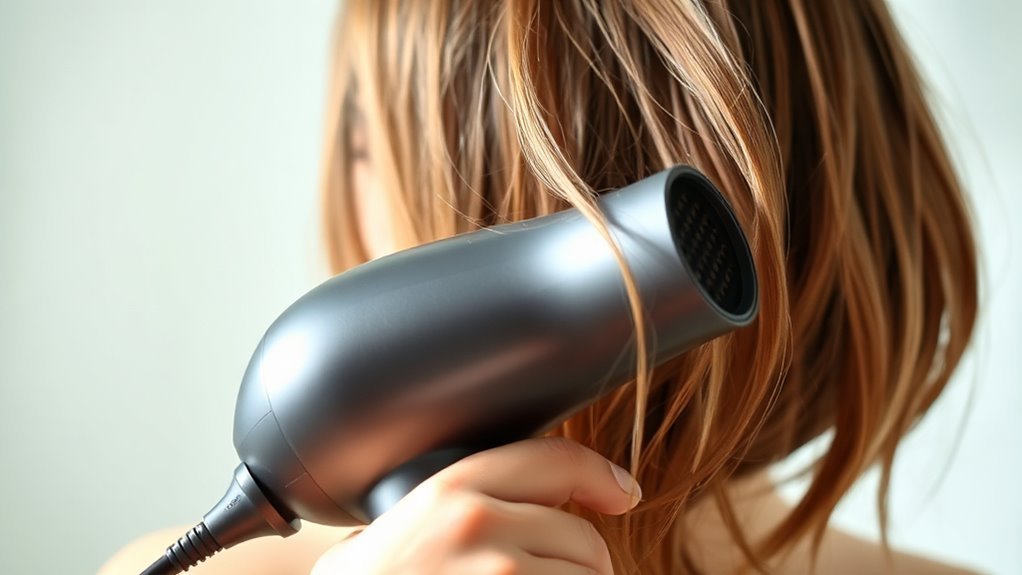
While using a hair dryer itself doesn’t directly cause your hair to fall out, excessive heat and improper drying techniques can weaken your strands and lead to breakage, which might look like hair loss.
If you rely heavily on high heat settings or hold the dryer too close, your hair’s outer layer can become damaged, making it more prone to snapping. Over time, this breakage might give the impression that your hair is thinning.
To protect your hair, use the lowest effective heat setting, keep the dryer moving, and maintain a safe distance from your scalp. Also, avoid daily use when possible to minimize damage.
Hair Dryer and Hair Loss Myths

Understanding how heat affects your hair is important, but it’s equally important to separate facts from fiction when it comes to hair dryers and hair loss. Many myths can mislead you about how dangerous hair dryers really are.
Here are three common misconceptions:
- Hair dryers cause permanent hair loss.
- Using a hair dryer daily will make your hair thin.
- High heat settings immediately damage hair follicles.
In reality, hair dryers don’t directly cause hair to fall out. Excessive heat can weaken strands and lead to breakage, but it doesn’t affect the root or follicles.
If you’re gentle and use moderate heat, you minimize damage. So, don’t fear your hair dryer—just use it wisely to keep your hair healthy.
Which Hair Types Are Most Sensitive to Hair Dryer Heat?
Certain hair types tend to break down more quickly when exposed to the heat from a hair dryer, so it’s important to know if your hair falls into these categories. Fine hair, for example, is more delicate and prone to damage from high temperatures.
Curly hair, with its twists and turns, can also be sensitive because heat can strip moisture, leading to breakage. Color-treated hair is another type that’s vulnerable since chemical processing weakens the strands.
| Hair Type | Sensitivity Level | Common Issues |
|---|---|---|
| Fine Hair | High | Breakage, dryness |
| Curly Hair | Medium-High | Frizz, moisture loss |
| Color-Treated | High | Weakness, increased breakage |
Knowing this helps you protect your hair better.
How to Use a Hair Dryer Without Damaging Hair
To protect your hair while using a hair dryer, always apply heat protection products first. Keep the heat setting moderate to avoid unnecessary damage.
Also, hold the dryer at a safe distance to prevent overheating your strands. It really helps to be gentle with your hair during drying.
Use Heat Protection Products
Applying heat protection products before using a hair dryer shields your strands from high temperatures and reduces the risk of damage. These products create a barrier that helps lock in moisture and prevent breakage caused by heat.
To get the best results, follow these steps:
- Apply evenly: Spray or distribute the product uniformly on damp hair to make sure every strand is protected.
- Focus on ends: Pay special attention to the tips, as they are most vulnerable to heat damage.
- Comb through: Use a wide-tooth comb to spread the heat protectant evenly and detangle your hair.
It’s pretty simple, but doing this can make a big difference in keeping your hair healthy!
Maintain Moderate Heat Settings
Keep your hair dryer’s heat settings in check to prevent unnecessary damage. Using high heat might speed up drying but can weaken your hair, making it more prone to breakage and fall over time.
Instead, opt for a moderate or low heat setting that efficiently dries your hair without stripping moisture or causing excessive dryness. Many hair dryers come with multiple heat options—choose the one that feels warm, not hot, when you hold it close.
Remember, patience pays off; drying your hair gently protects its natural strength. By maintaining moderate heat, you preserve your hair’s health and minimize the risk of damage that leads to hair fall.
This simple adjustment keeps your locks looking vibrant and strong every day.
Keep Distance From Hair
When using a hair dryer, holding it too close can cause excessive heat to damage your strands and scalp. To protect your hair, keep a safe distance while drying.
Here’s how to do it effectively:
- Hold the dryer at least 6 inches away from your hair to prevent direct heat damage.
- Continuously move the dryer around your head instead of focusing on one spot to avoid overheating.
- Use a diffuser attachment if you have curly or fragile hair to distribute heat more evenly.
Healthy Alternatives to Using a Hair Dryer
If you want to protect your hair, try air drying to cut down on heat damage. Wrapping your hair in a microfiber towel helps reduce frizz and speeds up drying without harsh rubbing.
When you do use a dryer, switch to the cool air setting to keep your strands healthier. It’s a simple switch that can make a big difference over time. Give it a try!
Air Drying Benefits
Often overlooked, air drying offers a gentle alternative that helps reduce hair damage and breakage caused by heat styling tools. When you let your hair dry naturally, you preserve its moisture and maintain its natural texture better.
It’s a simple way to keep your hair healthier without much effort.
Here are three key benefits you’ll notice with air drying:
- Less Heat Damage – Without the intense heat from a dryer, your hair’s cuticles stay smoother. This helps prevent split ends and dryness.
- Improved Scalp Health – Air drying avoids overheating your scalp, which means less irritation and dryness.
- Enhanced Hair Strength – Your hair retains natural oils, making it stronger and less prone to falling out.
Microfiber Towel Usage
Reach for a microfiber towel instead of rubbing your hair with a regular bath towel to cut down on damage and frizz. Microfiber towels are gentler on your strands because their soft, thin fibers absorb water quickly without roughing up the hair cuticle.
When you gently squeeze or pat your hair with a microfiber towel, you avoid the friction that causes breakage and split ends. This simple switch can help maintain your hair’s moisture balance, reducing the need for heat styling tools.
Plus, microfiber towels dry hair faster than traditional towels, so you can skip prolonged dampness that might lead to scalp issues. Incorporate this easy habit into your routine to protect your hair’s health while minimizing the risk of hair fall linked to mechanical stress.
Cool Air Settings
While high heat can damage your hair, using the cool air setting on your hair dryer offers a gentler alternative that helps lock in moisture and reduce breakage. You’ll notice your hair stays shinier and feels softer when you avoid hot blasts.
To make the most of this setting, follow these tips:
- Use the cool air setting after drying your hair with warm air to seal the cuticle.
- Keep the dryer moving to prevent heat concentration on any one spot.
- Finish with a blast of cool air to set your style and reduce frizz.
Frequently Asked Questions
Can Hair Dryers Affect Scalp Health or Cause Dandruff?
Yes, using hair dryers too often or on high heat can dry out your scalp. This can lead to irritation and dandruff.
Do Ionic Hair Dryers Reduce Hair Fall More Than Regular Ones?
Ionic hair dryers don’t drastically reduce hair fall compared to regular ones, but they do cut drying time and minimize heat damage.
You’ll notice less breakage if you use them properly and avoid excessive heat. It’s all about how you handle the dryer, really.
How Often Should I Replace a Hair Dryer for Safety?
You should replace your hair dryer every 3 to 4 years or sooner if it shows damage, overheating, or unusual noises.
Make it a habit to regularly check the cord and vents. This helps keep it safe and efficient for daily use.
Are There Specific Hair Dryer Brands Recommended by Dermatologists?
Like a trusted friend, brands such as Dyson, ghd, and BaByliss Pro often come highly recommended by dermatologists.
You’ll want models with adjustable heat to protect your hair while drying efficiently and safely. It’s all about keeping your hair healthy without sacrificing style.
Can Using a Hair Dryer Impact Hair Color Longevity?
Yes, using a hair dryer frequently can fade your hair color faster, especially if you use high heat.
To protect your color, use cooler settings and apply heat protectant sprays before drying your hair. It really makes a difference!
Conclusion
If you’re worried about hair dryers causing hair fall, don’t panic just yet. While heat can weaken your strands, using your dryer wisely is like handling fire—done right, it warms without burning.
Stick to lower heat settings, keep some distance, and give your hair a break now and then.
With a little care, you can keep your locks healthy and avoid turning your drying routine into a hair disaster. Remember, excessive heat from hair dryers can contribute to hair damage, but it won’t directly cause hair fall if used properly.
So, by managing the heat level and drying time, you can protect your hair from unnecessary breakage and maintain its strength. Ultimately, a hair dryer won’t cause hair fall if you take the right precautions and use it mindfully.