Can Hair Dryers Kill Lice?
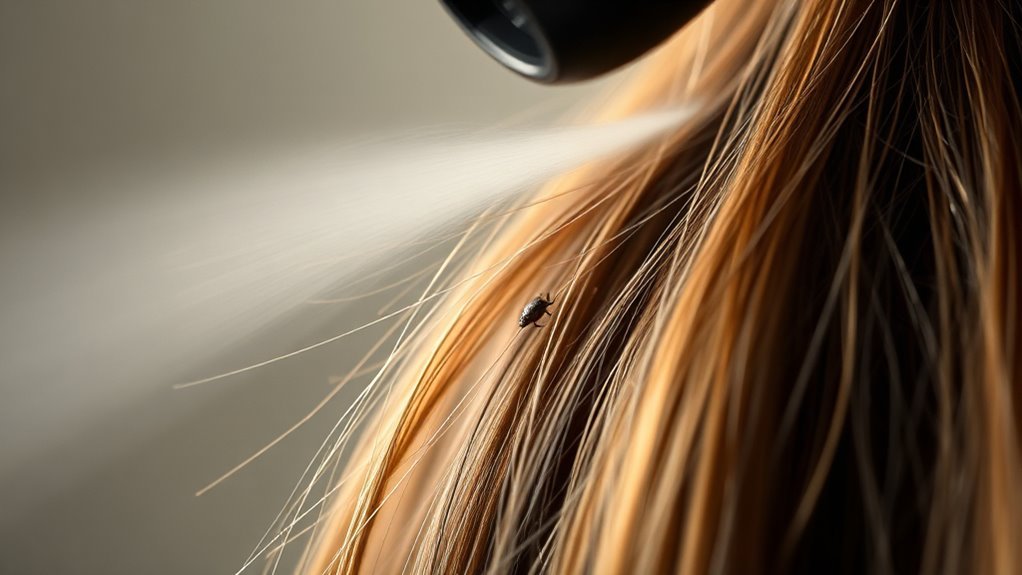
You can’t rely on hair dryers alone to kill lice because their heat doesn’t reach the temperatures needed to destroy lice eggs effectively. While hot air might kill some live lice on contact, it rarely penetrates the protective nit shells. Brief exposure won’t stop eggs from hatching either.
Hair dryers are better as a supplemental tool rather than a full solution. They might help a little, but they won’t give you the thorough treatment needed to get rid of lice completely. If you want to understand why and explore safer, more effective options, keep going.
Key Takeaways
- Hair dryers generate heat but don’t reach the temperatures needed to kill lice or effectively penetrate the protective nit shells.
- Sure, hot air might kill some live lice, but it rarely affects the eggs. So, using a hair dryer alone just isn’t enough to get rid of them completely.
- If you rely on a hair dryer by itself, chances are some lice will survive and keep laying eggs.
- Basically, hair dryers can only be a helpful extra step—they can’t replace combing or chemical treatments.
- Plus, using too much heat from a hair dryer can actually burn your scalp, and still won’t guarantee you’ll get rid of all the lice or nits.
Can Hair Dryers Really Kill Lice?
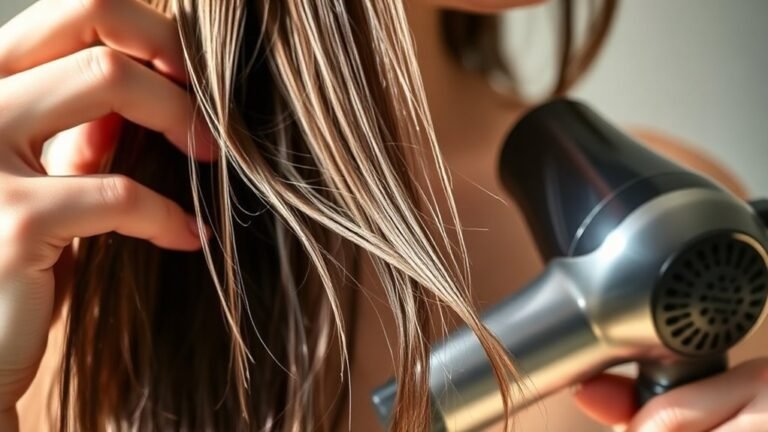
Although hair dryers generate heat, they don’t reach the temperatures needed to kill lice effectively. If you rely on a hair dryer alone, you might be disappointed because lice are quite resilient to the moderate warmth it produces.
You’ll find that while the heat can make your scalp feel warm, it won’t penetrate deeply enough or sustain high temperatures long enough to eradicate lice. Instead, lice can survive the brief exposure and continue to live and lay eggs.
How Heat Affects Lice and Their Eggs
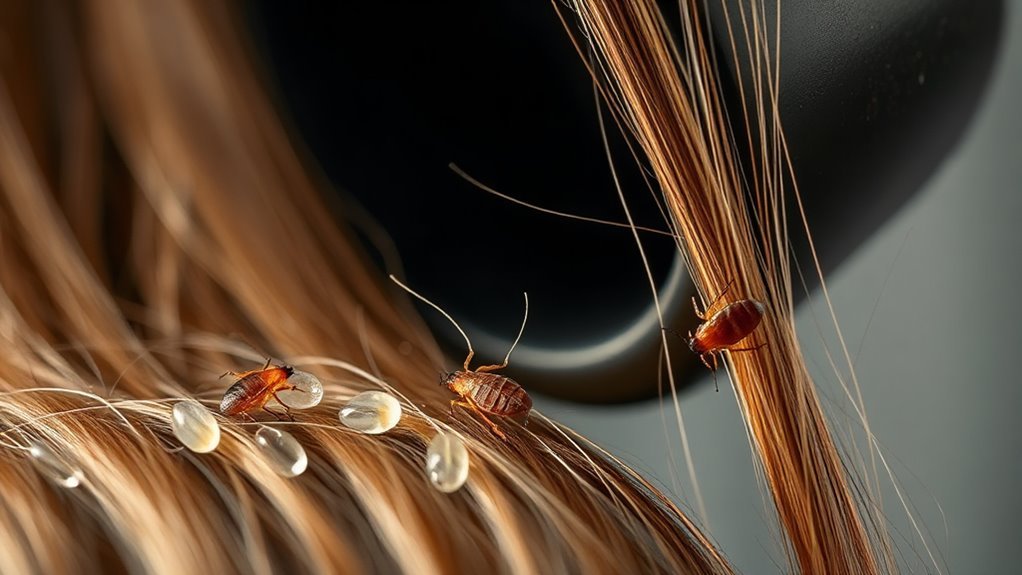
You need to understand that lice and their eggs respond differently to heat. While lice are sensitive to high temperatures, their eggs can survive at lower heat levels.
Lice Sensitivity to Heat
Heat plays a vital role in combating lice and their eggs, as these pests are highly sensitive to elevated temperatures. When exposed to sufficient heat, lice struggle to survive because their bodies can’t regulate internal moisture and proteins begin to break down.
You’ll find that adult lice can quickly become immobilized or die when temperatures rise above a certain point. Similarly, their eggs, called nits, are vulnerable to heat, although they tend to be more resistant than the adults.
Applying heat directly to infested hair can disrupt the lice’s lifecycle by killing both live bugs and some eggs. However, you need to be careful with the temperature and duration of heat exposure to guarantee effectiveness without causing harm to your scalp or hair.
Egg Survival Temperatures
Adult lice may succumb quickly to high temperatures, but their eggs are tougher to eliminate. Lice eggs, or nits, have a protective shell that shields them from moderate heat.
You’ll find that temperatures need to reach at least 130°F (54°C) and be sustained for 30 minutes or more to kill these eggs effectively. Lower heat won’t penetrate the shell deeply enough to harm the developing embryo inside.
This resilience means simply warming the scalp or hair isn’t enough to stop a lice infestation. When dealing with lice, it’s essential to understand that eggs can survive brief or mild heat exposure.
Effectiveness of Hot Air
Although hot air can kill lice on contact, it struggles to reach the temperatures and exposure times needed to eliminate their eggs. You might think using a hair dryer is an easy fix, but lice eggs, or nits, are incredibly resilient.
They’re glued tightly to hair shafts and require sustained heat of around 130°F (54°C) for several minutes to be effectively destroyed. Most hair dryers don’t maintain such consistent heat long enough without risking scalp burns.
While the warm air can dislodge or kill some live lice, it rarely penetrates the protective shell of nits. So, relying solely on a hair dryer won’t guarantee complete lice removal.
You’ll need more targeted treatments designed specifically to break the egg’s tough barrier.
Debunking Common Myths About Hair Dryers and Lice
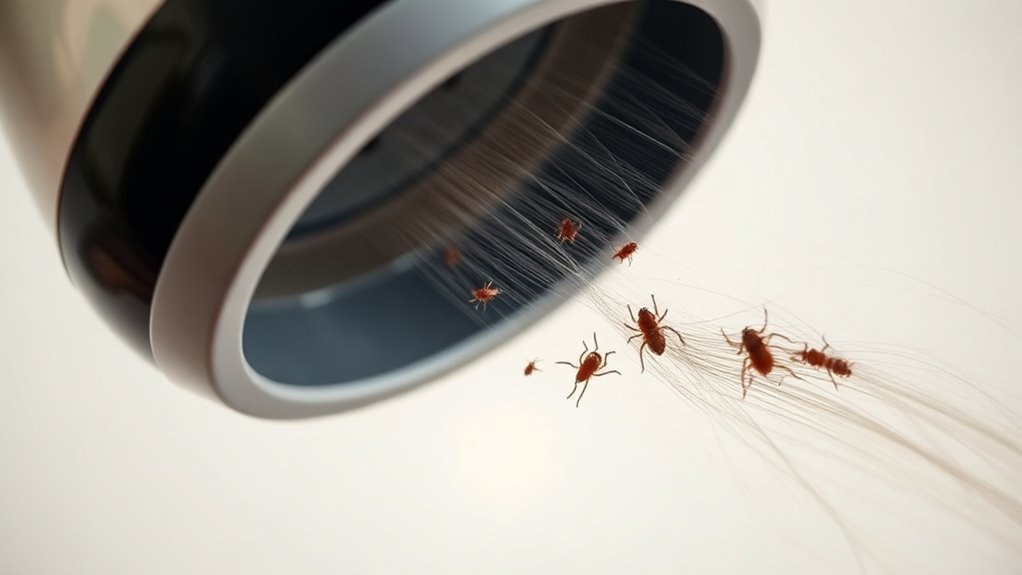
When you hear that hair dryers can kill lice, it’s easy to believe it since heat often eliminates pests. However, the truth is more complicated. Lice are surprisingly resistant to brief bursts of hot air from hair dryers, which usually don’t reach the sustained high temperatures needed to kill them.
You might also hear that using a dryer alone can replace thorough combing and treatment, but that’s misleading. Hair dryers don’t remove nits or lice physically; they only dry the hair.
Another myth is that higher heat settings guarantee lice elimination, but excessive heat risks scalp burns without ensuring effectiveness. So, relying solely on hair dryers won’t solve your lice problem—you’ll need proven treatments combined with careful combing for real results.
Safety Tips for Using Hair Dryers to Treat Lice
When using a hair dryer to treat lice, you need to avoid excessive heat that can harm your scalp. Keep the dryer at a safe distance to prevent burns or discomfort.
It’s pretty simple, but super important. Following these simple tips helps you stay safe while trying this method.
Avoid Excessive Heat
Because hair dryers can produce intense heat, you need to be careful not to apply it for too long or too close to the scalp. Excessive heat can cause burns, scalp irritation, and damage to your hair.
Limit the use of the dryer to short intervals, giving your scalp time to cool down between sessions. Also, avoid using the highest heat setting; instead, opt for medium or low heat to reduce the risk of injury.
Pay attention to any discomfort, and stop immediately if your scalp feels too hot or painful. By controlling the heat exposure, you protect your scalp and hair while still using the hair dryer as part of your lice treatment safely and effectively.
Maintain Safe Distance
Although hair dryers can help in lice treatment, you should keep a safe distance between the dryer and your scalp to prevent burns and irritation. Hold the dryer at least six inches away from your head to make sure the heat is effective without causing discomfort.
Keep moving the dryer continuously to avoid concentrating heat in one spot. This way, you reduce the risk of scalp damage.
If you feel your scalp getting too hot or irritated, stop immediately and let your skin cool down before continuing. Remember, maintaining a safe distance also helps in evenly drying your hair and increasing the chances of killing lice and their eggs.
Always prioritize safety over speed to protect your scalp while treating lice with a hair dryer. Better safe than sorry, right?
How Hair Dryers Compare to Other Lice Treatments
While hair dryers can help reduce lice by drying out their environment, they don’t match the effectiveness of specialized lice treatments.
You’ll find that chemical treatments, combing, and natural remedies target lice more directly and thoroughly. Hair dryers mainly disrupt lice temporarily but don’t guarantee full elimination.
Here’s a quick comparison:
| Treatment Type | Effectiveness |
|---|---|
| Hair Dryer | Low – dries environment, limited kill |
| Chemical Shampoos | High – kills lice and nits |
| Wet Combing | Moderate – physically removes lice |
| Natural Remedies | Variable – depends on method |
| Professional Help | Very High – expert removal |
Using a hair dryer alone won’t clear lice, but combined with other treatments, it might support your efforts. So, think of it as a little helper rather than the main solution.
When Should You See a Professional for Lice Treatment?
If you’ve tried over-the-counter treatments and still notice lice or itching, it’s time to see a professional for lice treatment. Professionals can offer effective solutions that over-the-counter products might miss, like specialized combing techniques and prescription-strength treatments.
Also, if your child keeps getting lice repeatedly, a professional can help identify the source and suggest preventive measures. You should seek professional help if you spot allergic reactions or skin irritation from treatments, as they can provide safer alternatives.
Finally, if you’re unsure about the best way to handle lice or want faster, guaranteed results, a professional can give you peace of mind. Don’t hesitate to get expert advice to make certain complete elimination and prevent reinfestation.
Frequently Asked Questions
Can Hair Dryers Prevent Lice Infestations Before They Start?
No, hair dryers can’t prevent lice infestations before they start.
You should focus on regular checks, avoid sharing personal items, and use recommended treatments if needed.
That’s the best way to keep lice away effectively.
Do Hair Dryers Affect Lice on Pets?
You wouldn’t chase a cunning mouse with a breeze, right? Hair dryers won’t harm lice on pets either—they’re too tough for heat alone.
Instead, you’ll need targeted treatments to truly banish those unwelcome guests.
How Often Should You Use a Hair Dryer to Treat Lice?
You should use a hair dryer on lice daily for about a week, focusing on thoroughly drying hair after washing. Consistency helps disrupt lice survival.
But remember, it’s best to combine this with other treatments for the best results. That way, you’re tackling the problem from all angles.
Can Hair Dryers Damage Hair While Killing Lice?
Your hair’s like a delicate flame; using a hair dryer too close or too hot can scorch it while trying to kill lice.
You’ll want to balance heat carefully to avoid damage and still be effective.
It’s all about finding that sweet spot—hot enough to work but gentle enough to keep your hair healthy.
Are Certain Hair Dryer Brands More Effective Against Lice?
No, certain hair dryer brands aren’t proven more effective against lice. You’ll find lice treatments work better.
Hair dryers mainly dry hair; they don’t reliably kill lice, so don’t rely on brand differences for lice control. It’s best to stick with proven methods for getting rid of lice.
Conclusion
While hair dryers might feel like a quick fix, they’re not the silver bullet for killing lice and their eggs. Heat can help, but it’s not enough to shake the tree and get rid of every last bug.
You’ll need more reliable treatments to truly win the battle. So, don’t put all your eggs in one basket—combine methods and seek professional help if lice keep sticking around.
Using a hair dryer alone won’t effectively eliminate lice. It’s important to use proven lice treatments like medicated shampoos, combing, and sometimes professional lice removal services. Combining these methods increases your chances of completely getting rid of lice. If lice persist, consulting a healthcare provider can provide additional solutions to ensure the infestation is fully cleared. Remember, a comprehensive approach is the best way to tackle lice effectively.