How Many Watts Does a Hair Dryer Need?
You need a hair dryer wattage that matches your hair type and styling goals to dry efficiently without damage. Picking the right wattage is key because it affects how fast your hair dries and how healthy it stays. For instance, using too much power can dry your hair quickly but might cause damage over time. So, it’s all about finding the sweet spot that works for you.
For thin or fine hair, 1000–1400 watts works well; medium hair does best with 1400–1800 watts; thick or curly hair benefits from 1800–2000 watts. Higher wattage dries faster but can harm your hair if overused. Choosing the right balance helps protect your hair while styling. Keep going to find out how to pick the perfect wattage for you.
Key Takeaways
- Hair dryers range from 800 to over 2000 watts, with wattage affecting drying speed and heat output.
- Thin or fine hair benefits from 1000–1400 watts to avoid excessive heat damage.
- Medium hair dries best with 1400–1800 watts for balanced speed and control.
- Thick or curly hair needs 1800–2000 watts for efficient drying and styling.
- Choose wattage based on hair type, styling needs, and frequency to prevent damage and optimize results.
What Is the Right Hair Dryer Wattage for You?

How do you choose the right wattage for your hair dryer? It depends on your hair type and styling needs. If you have thin or fine hair, a lower wattage dryer, around 1000 to 1400 watts, will be gentle enough to prevent damage.
For medium hair, 1400 to 1800 watts offers a good balance of power without overwhelming your strands. Thick or curly hair requires more power, so choosing a dryer with 1800 to 2000 watts helps you dry efficiently.
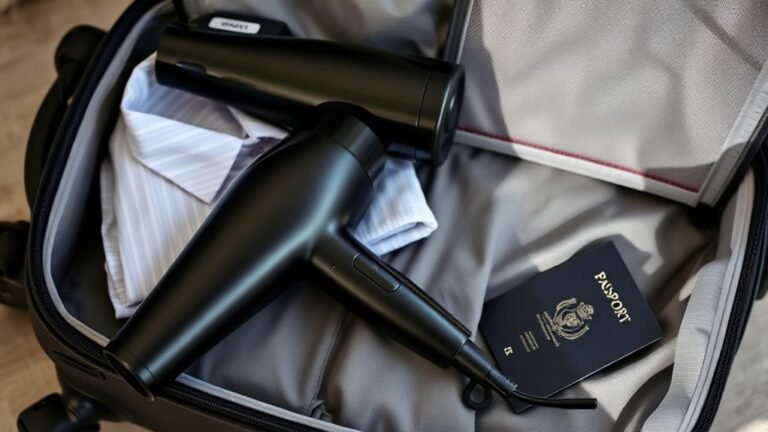
Also, consider how often you use it—if daily, a reliable wattage that won’t overheat is vital. Finally, if you often travel, a compact model with moderate wattage might suit you better.
Knowing your hair’s needs helps you pick the right wattage without guessing. It’s really about matching power to your hair type and lifestyle.
How Does Wattage Affect Drying Speed and Heat?

Choosing a hair dryer with higher wattage means you’ll enjoy faster drying times and stronger heat output. Higher wattage powers a more robust heating element and motor, which boosts airflow and temperature.
This combo helps you dry your hair quicker and style more efficiently. However, lower wattage models take longer and produce less heat, which might suit fine or delicate hair better.
| Wattage (Watts) | Drying Speed | Heat Output |
|---|---|---|
| 800 – 1200 | Slow | Low |
| 1200 – 1600 | Moderate | Medium |
| 1600 – 2000 | Fast | High |
| 2000+ | Very Fast | Very High |
Understanding this helps you pick a dryer that matches your drying needs and hair type.
Why High Wattage Isn’t Always Best for Your Hair
Don’t assume that higher wattage means better results for your hair. While powerful hair dryers dry faster, they can also cause damage if you’re not careful.
Using too much heat can lead to dryness, breakage, and frizz. Instead, it’s important to balance wattage with your hair’s needs.
Here’s why high wattage isn’t always best:
- Excessive heat weakens hair strands, making them prone to split ends and breakage.
- High wattage dryers can strip natural oils, leaving your hair dry and brittle.
- Overheating the scalp can cause irritation and even slow hair growth.
Choosing the right wattage and using heat protectants really helps keep your hair healthy and looking great.
Which Wattage Works Best for Different Hair Types?
Different hair types usually require different wattages to dry efficiently without causing damage. If you have fine or thin hair, a lower wattage hair dryer around 1000 to 1400 watts works best. It dries your hair gently, reducing the risk of heat damage.
For medium or normal hair, a wattage between 1400 and 1800 watts offers the right balance of power and control. This helps you dry your hair quickly without overexposure to heat.
If you have thick or coarse hair, opting for a higher wattage dryer, typically 1800 to 2000 watts, makes certain you can dry your hair thoroughly and efficiently. Choosing the right wattage helps you maintain healthy hair while saving time during your routine.
How to Choose the Perfect Wattage for Your Styling Needs
Knowing the right wattage for your hair type sets a solid foundation, but your styling goals also play a big role in picking the perfect hair dryer. You want a wattage that matches how you style your hair daily.
Here’s how to decide:
- Quick Drying: If you want to cut drying time, choose a higher wattage (1800-2000W). It delivers stronger airflow and heat, speeding up the process.
- Detailed Styling: For intricate styles like curls or waves, medium wattage (1400-1600W) gives you better control without overheating.
- Delicate Finish: If you prefer gentle drying to reduce heat damage, look for lower wattage (1000-1300W) options with adjustable heat settings.
Hair Dryer Tips to Protect Your Hair’s Health
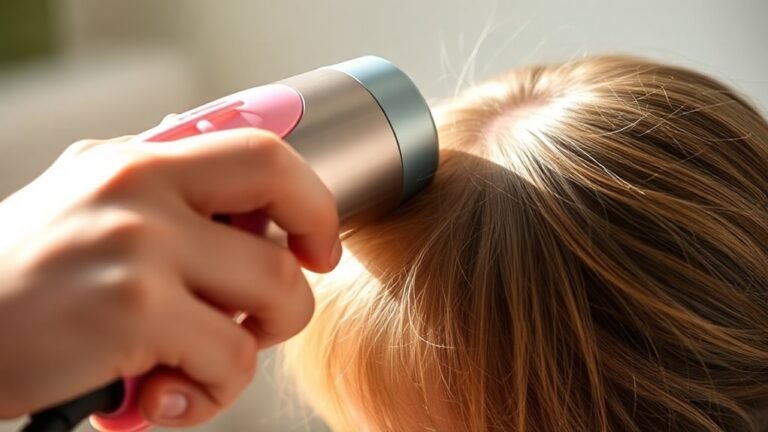
You’ll want to use the best heat settings on your hair dryer to keep your hair healthy and avoid damage. Don’t crank the heat too high or dry your hair for too long, as excessive drying can lead to brittleness and breakage.
Optimal Heat Settings
Although it’s tempting to blast your hair with the highest heat for faster drying, using ideal heat settings is essential to protect your hair’s health. Too much heat can cause damage, dryness, and breakage.
To keep your hair strong and shiny, follow these best heat setting tips:
- Start Low: Begin with a low or medium heat to gently dry your hair without stripping moisture.
- Adjust as Needed: Increase the heat slightly only if necessary, focusing on thicker or damp sections.
- Finish Cool: Use the cool setting at the end to seal the hair cuticle, locking in moisture and adding shine.
Avoiding Excessive Drying
Using the right heat settings helps protect your hair, but it’s equally important to avoid over-drying. When you spend too much time blasting your hair with hot air, you strip away natural moisture, leaving it dry and brittle.
To prevent this, limit your drying sessions to just the necessary time. Use the dryer’s cool or low heat settings whenever possible, especially as your hair nears dryness.
Keep the dryer moving and hold it a few inches away, so you don’t concentrate heat in one spot. If your hair feels rough or looks dull, take breaks between drying or let it air dry partially.
Frequently Asked Questions
Can I Use a Hair Dryer With a Higher Wattage on a Lower Voltage Outlet?
You can’t safely use a higher wattage hair dryer on a lower voltage outlet without a proper converter. Doing so risks overheating or damage.
Always check your device’s voltage rating before plugging it in. It’s better to be safe than sorry!
How Does Wattage Impact the Energy Consumption of a Hair Dryer?
Wattage directly affects your hair dryer’s energy use; higher watts mean more power and faster drying but also higher electricity consumption.
Are Higher Wattage Hair Dryers Noisier Than Lower Wattage Ones?
Higher wattage hair dryers aren’t always noisier, but they can be because stronger motors and faster airflow produce more sound.
You’ll notice noise depends more on design and technology than just wattage alone.
Do Travel Hair Dryers Have Different Wattage Requirements?
Think of travel hair dryers like compact cars—they often use lower wattage, usually between 800 to 1200 watts, so you can pack light.
You’ll still get decent drying power without overloading outlets abroad. It’s pretty handy when you’re hopping between countries with different electrical standards.
Can Wattage Affect the Lifespan of a Hair Dryer?
Yes, wattage can affect your hair dryer’s lifespan. Higher wattage means more power, but it can cause faster wear if used excessively.
Conclusion
Choosing the right hair dryer wattage isn’t just about power—it’s about what suits your hair type and styling needs. Higher watts dry faster but can damage fine hair, while lower watts are gentler but slower.
Don’t fall for the “more watts means better” myth; instead, balance heat and speed for healthy, shiny hair. It’s all about finding that sweet spot where your hair dries quickly without getting fried.
By understanding your hair’s unique needs, you’ll enjoy faster styling without sacrificing hair health. Remember, the best hair dryer wattage is one that matches your hair texture and styling routine, ensuring your locks stay vibrant and strong. So, whether you have thick, coarse hair or fine, delicate strands, picking the right wattage is key to achieving salon-worthy results at home.