How Many Amps Does a Hair Dryer Draw?
Your hair dryer usually draws between 5 and 15 amps, depending on its model and power.
Standard home dryers pull around 7–12 amps, while travel models use less, about 5–7 amps.
Professional salon dryers often need 12–15+ amps and may require dedicated circuits.
Knowing your dryer’s amps helps prevent tripped breakers and keeps your electrical system safe.
If you want to keep your dryer running smoothly without problems, there’s more useful info you’ll want to explore.
Understanding how many amps a hair dryer draws is key to avoiding electrical issues and ensuring safe usage.
Key Takeaways
- Most home hair dryers draw between 7 and 12 amps during use. That’s pretty standard for everyday models.
- Travel hair dryers usually pull less power, around 5 to 7 amps. They’re designed to be more energy efficient and easy on smaller circuits.
- Professional salon hair dryers can draw 12 to 15 amps or even more. Because of that, they often need stronger circuits to handle the load.
- You can figure out how many amps a dryer uses by dividing its wattage by your local voltage. So, Amps = Watts ÷ Volts.
- Keep in mind, most circuit breakers handle 15-20 amps. It’s a good idea not to run several high-amp devices on the same circuit to avoid tripping the breaker.
Understanding Amp Draw And Why It Matters For Your Hair Dryer
Understanding amp draw is essential when choosing a hair dryer because it directly affects performance and safety. When you know how many amps your hair dryer pulls, you can make certain it won’t overload your electrical circuit.
Exceeding your circuit’s capacity risks tripping breakers or causing electrical hazards. Amp draw also influences how powerful and efficient your hair dryer feels.
If the amp draw is too low, the dryer might not produce enough heat or airflow, leaving your hair damp longer. On the other hand, higher amps generally mean stronger performance but require proper wiring and outlet compatibility.
Typical Hair Dryer Amp Ranges By Model Type
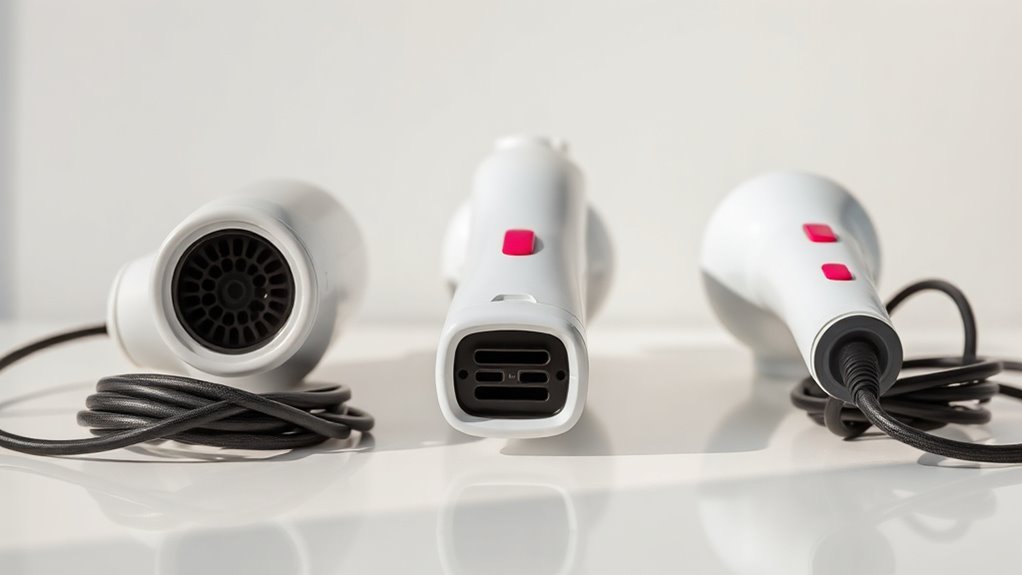
Although hair dryers come in various designs and power levels, their amp draw typically falls within specific ranges depending on the model type. Standard home hair dryers usually draw between 7 and 12 amps, which suits most household circuits.
Travel hair dryers, designed for portability and lower power use, often pull around 5 to 7 amps. This makes them safer for limited electrical setups.
Professional or salon-grade hair dryers, built for heavy-duty use, can draw 12 to 15 amps or more. They usually require dedicated circuits to avoid overloads.
Knowing these typical amp ranges helps you choose a hair dryer that matches your electrical system’s capacity and prevents tripped breakers. So, always consider the model type’s usual amp draw before plugging in to keep things running smoothly.
How To Find Your Hair Dryer’s Amp Rating: A Step-By-Step Guide

To find your hair dryer’s amp rating, start by locating the power label. You’ll usually find it on the handle or near the cord.
Once you have the wattage and voltage, you can easily calculate the amperage using a simple formula. This quick method helps you understand your hair dryer’s electrical needs.
Locate Power Label
Start by flipping your hair dryer over and looking for the power label, usually found on the handle or near the cord. This label provides essential information, including voltage, wattage, and sometimes amperage.
It’s often a small sticker or engraved plate. If you can’t spot it right away, check around the base where the cord meets the dryer or along the side of the handle.
The label might be printed in tiny text, so use good lighting or a magnifying glass if needed. Once you find it, note down the wattage and voltage numbers.
These figures are key to understanding your hair dryer’s electrical draw. Keep this label handy—it’s your direct source for accurate device specifications.
Calculate Amperage Using Formula
Calculate the amperage of your hair dryer by dividing its wattage by the voltage. First, find the wattage on the power label—usually between 1000 and 1875 watts.
Then, use the standard voltage for your region (120 volts in the US or 230 volts in many other countries). For example, if your hair dryer is rated at 1500 watts and you’re in the US, divide 1500 by 120 volts. This gives you 12.5 amps.
This formula (Amps = Watts ÷ Volts) helps you understand how much current your hair dryer draws. Knowing the amperage guarantees you don’t overload your electrical circuit and helps you choose the right extension cord or circuit breaker if needed.
How Knowing Your Hair Dryer’s Amps Can Stop Circuit Breakers From Tripping
If you know your hair dryer’s amp rating, you can avoid overloading your circuit breaker. Circuit breakers have specific capacity limits, and using devices that draw too many amps at once can cause them to trip.
Understanding Amp Ratings
Although hair dryers are convenient tools, their amp ratings directly impact your home’s electrical safety. The amp rating tells you how much electrical current your hair dryer draws when in use.
If you don’t know this, you might overload your circuits without realizing it. By checking the amp rating on your hair dryer’s label or manual, you’ll understand how much power it requires.
This helps prevent overloading outlets and keeps your electrical system stable. Remember, higher amp ratings mean more current flow. So, using multiple high-amp devices on the same circuit can cause issues.
Knowing your hair dryer’s amps empowers you to manage your electrical load wisely and avoid unexpected trips or hazards.
Circuit Breaker Capacity Limits
Knowing your hair dryer’s amp rating helps you avoid overloading your home’s electrical circuits. This directly affects your circuit breaker’s performance.
Circuit breakers are designed to trip when the current exceeds their capacity. This protects your wiring from damage. If your hair dryer draws more amps than the breaker can handle, you’ll face frequent trips.
To prevent this, consider these points:
- Check your breaker’s amp rating—most household breakers are rated 15 or 20 amps.
- Know your hair dryer’s amp draw—typically between 12 and 15 amps for high-wattage models.
- Avoid running multiple high-amp devices on the same circuit, or you risk exceeding capacity.
Reducing Electrical Overload
When you understand how many amps your hair dryer uses, you can better manage your home’s electrical load and prevent circuit breakers from tripping unexpectedly. Knowing the exact amperage helps you avoid plugging too many high-draw devices into the same circuit.
For example, if your hair dryer draws 15 amps and your circuit breaker is rated for 20 amps, running other appliances at the same time on that circuit might cause an overload. To reduce this risk, try to spread devices across different circuits or use your hair dryer when other heavy appliances are off.
You could also consider a lower-amp hair dryer model if breaker trips happen often. By keeping an eye on your hair dryer’s amps, you help keep your electrical system safer and more reliable. This way, you minimize interruptions and avoid potential hazards.
What Your Hair Dryer’s Amps Mean For Your Electric Bill
You probably don’t realize how much your hair dryer’s amps affect your electric bill. The amps indicate how much electricity your hair dryer pulls when it’s running.
The higher the amps, the more energy it uses, which directly impacts your monthly costs. Here’s what you should know:
- Higher amps mean higher power consumption – More amps equal more electricity, raising your bill.
- Usage time matters – Even a high-amp dryer won’t drastically increase costs if you use it briefly.
- Energy efficiency varies – Some dryers draw fewer amps but still dry hair effectively, saving money over time.
Tips To Use Your Hair Dryer Without Tripping Breakers
Although hair dryers are essential for quick styling, they can easily trip breakers if not used carefully. To avoid this, first, don’t run your hair dryer alongside other high-amperage appliances on the same circuit.
You can also use your dryer on a lower heat or speed setting; this reduces the amps it draws. Make sure your outlets and cords are in good condition—damaged wiring increases the risk of tripping breakers.
If possible, plug your hair dryer into a dedicated circuit designed to handle its power needs. Finally, limit your usage time to prevent overheating circuits.
Frequently Asked Questions
Can Using a Hair Dryer Damage My Hair?
Yes, using a hair dryer can damage your hair if you use high heat or hold it too close.
To protect your hair, use lower settings, keep it moving, and apply heat protectant sprays before drying. It’s all about being gentle and careful with the heat.
Are Ionic Hair Dryers Better for Hair Health?
Yes, ionic hair dryers can be better for your hair health because they reduce frizz and dry your hair faster by breaking down water molecules.
You’ll notice smoother, shinier hair with less heat damage overall. It’s pretty great for keeping your hair looking healthy while cutting down on drying time.
How Often Should I Clean My Hair Dryer?
You should clean your hair dryer every few weeks to prevent lint buildup and overheating. It’s a simple step but really important.
If you ignore it, you could damage your dryer or even create a fire hazard. So, don’t skip this—keeping it clean helps it run safely and efficiently.
Do Professional Hair Dryers Last Longer?
Yes, professional hair dryers usually last longer because they use higher-quality materials and advanced technology. You’ll get better durability and performance.
This is especially true if you clean and maintain them regularly to avoid buildup and overheating. Taking good care of your dryer really makes a difference!
Can Hair Dryers Be Used Safely in Bathrooms?
Using a hair dryer in your bathroom is like walking a tightrope—you can, but you’ve got to be careful. Always keep it away from water, use GFCI outlets, and never operate it with wet hands for safety.
It’s all about staying alert and taking simple precautions. That way, you can dry your hair without any worries. Just treat your bathroom like a mini safety zone!
Conclusion
So, now you know your hair dryer’s amp draw isn’t just a random number—it’s the secret villain behind your tripped breakers and mysterious electric bills. Next time your lights flicker mid-blow-dry, don’t blame the ghosts; blame amps!
Armed with this knowledge, you can dodge blackout drama and maybe even save a buck or two. Because who knew your hair’s best friend could moonlight as an energy goblin?
Understanding how many amps a hair dryer draws helps you manage your home’s electrical load better. This way, you avoid overloading circuits and keep your electric bills in check. Stay powered, stay fabulous, and keep your hair looking great without the hassle of unexpected power trips!