Best Oils for Low Porosity Hair
For low porosity hair, choosing the best oils is key to keeping your strands healthy and shiny.
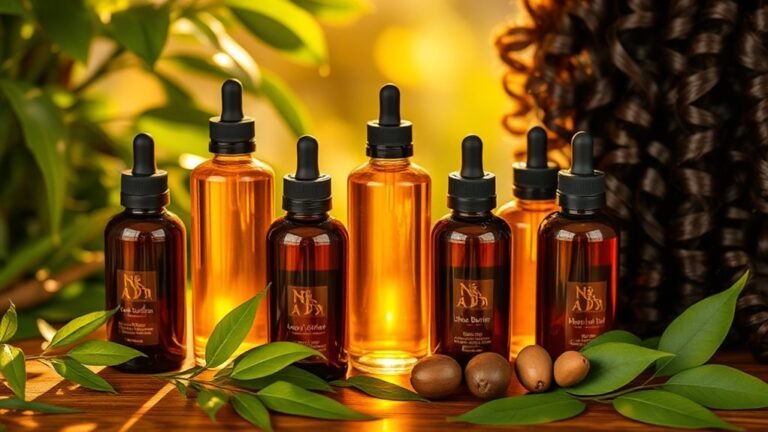
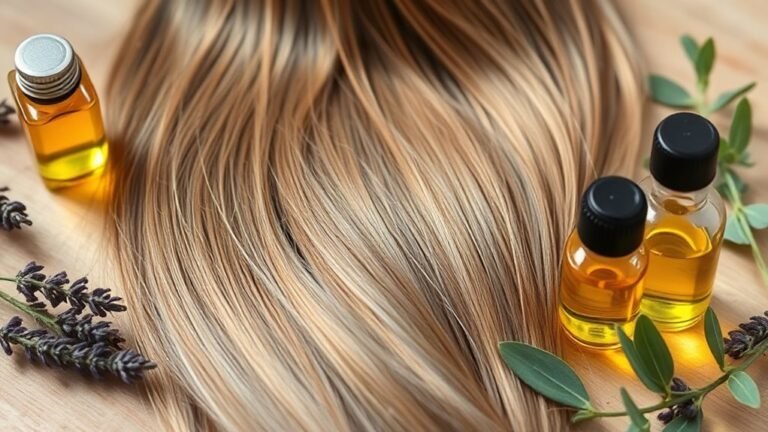
You want lightweight, fast-absorbing oils like argan, jojoba, and grapeseed oils. These oils work great because they penetrate tight cuticles without leaving your hair greasy or weighed down.
Applying these oils to damp hair helps lock in moisture and boost shine. It’s a simple trick that makes a big difference.
Just remember to avoid heavy oils like castor or mineral oil since they can cause buildup and make your hair feel heavy.
Using the right oils and techniques can make your hair feel softer and healthier.
There’s plenty more to explore about care and application to get the best results for your low porosity hair.
Give it a try and see the difference!
Key Takeaways
- Lightweight oils like argan, jojoba, and grapeseed penetrate low porosity hair without causing buildup or greasiness. They’re perfect if you want to keep your hair feeling light and fresh.
- Jojoba oil mimics natural scalp oils, balancing moisture and promoting healthy hair growth. It’s like giving your scalp a little boost of what it naturally needs.
- Argan oil adds shine and antioxidants, nourishing hair deeply while remaining non-greasy. So, your hair looks healthy without feeling heavy.
- Grapeseed oil absorbs quickly, strengthens strands, and reduces frizz for daily manageable hair. It’s great for keeping your hair smooth all day long.
- Avoid heavy oils like castor, coconut, and mineral oil that weigh hair down and block moisture absorption. These can make your hair feel greasy and hard to manage.
Understanding Low Porosity Hair and Oil Absorption

Although low porosity hair looks healthy and shiny, it can be tricky to moisturize because its tightly packed cuticles resist absorbing oils and water. When you apply oil, it tends to sit on the surface rather than penetrating the strands.
This happens because the flattened cuticles create a barrier, making it harder for moisture and nutrients to enter your hair shaft. You might notice oils making your hair feel greasy instead of nourished.
To effectively care for your low porosity hair, you need to understand this resistance to absorption. Knowing how your hair behaves helps you choose the right products and techniques, ensuring that your strands stay hydrated without buildup or heaviness.
This knowledge sets the foundation for selecting suitable oils and treatments. So, once you get this, caring for your hair becomes a lot easier.
Benefits of Lightweight Oils for Low Porosity Hair

You’ll find lightweight oils absorb quickly into low porosity hair, delivering moisture without weighing it down. These oils provide a non-greasy boost that keeps your hair feeling soft and manageable.
Examples like argan, jojoba, and grapeseed oil work perfectly to nourish without buildup. They’re great choices if you want healthy hair without any heaviness.
Easy Absorption Benefits
When you choose lightweight oils for your low porosity hair, you help it absorb moisture more quickly and effectively. These oils easily penetrate the hair shaft without sitting on the surface, allowing your strands to stay hydrated without feeling weighed down.
You’ll notice less product buildup, making your hair feel fresher longer. Plus, lightweight oils distribute evenly, so every strand gets the nourishment it needs.
Here’s what you gain with easy absorption:
- Faster moisture retention that lasts throughout the day
- Reduced risk of clogged pores on your scalp
- Enhanced shine without heaviness or greasiness
- Improved manageability and softness after each application
Non-Greasy Moisture Boost
Lightweight oils deliver a non-greasy moisture boost that keeps your low porosity hair hydrated without weighing it down. Because your hair’s cuticles are tightly closed, heavy oils tend to sit on the surface, leaving your strands feeling oily and heavy.
Using lighter oils allows moisture to penetrate effectively while providing just enough slip to lock it in. This means you’ll avoid buildup and greasy residue, which can make your hair look dull and lifeless.
Plus, lightweight oils enhance your hair’s natural shine and softness without compromising volume or bounce. When you choose the right oils, you maintain a healthy moisture balance, ensuring your hair stays manageable and vibrant throughout the day without any greasy afterfeel.
Lightweight Oil Examples
Choosing the right oils can transform how your low porosity hair absorbs and retains moisture. Lightweight oils penetrate your hair shaft easily without weighing it down or causing buildup. They lock in hydration and leave your hair feeling soft and manageable.
Here are some excellent lightweight oil examples to reflect on:
- Argan Oil: Rich in antioxidants and vitamin E, it nourishes without heaviness.
- Jojoba Oil: Mimics your scalp’s natural oils, balancing moisture levels.
- Grapeseed Oil: Contains linoleic acid, promoting moisture retention and shine.
- Sweet Almond Oil: Smooths cuticles and enhances softness without greasiness.
Using these oils helps maintain healthy moisture levels, making your low porosity hair easier to style and less prone to dryness or breakage. Give them a try and see how your hair responds!
Top Oils That Penetrate Low Porosity Hair Cuticles

Because low porosity hair has tightly closed cuticles, not all oils can effectively penetrate and provide the nourishment your strands need. You want to choose oils with smaller molecules that slip easily into your hair shaft.
Jojoba oil is a top pick; it closely resembles your scalp’s natural sebum and absorbs well without weighing hair down. Argan oil is another excellent option, rich in antioxidants and fatty acids that nourish deeply.
Grapeseed oil, known for its light texture and high linoleic acid content, also penetrates low porosity hair effectively. These oils help moisturize and strengthen your strands from within, preventing buildup on the surface.
Stick with these penetrating oils to keep your low porosity hair healthy and hydrated. They really make a difference!
How to Apply Oils for Maximum Moisture Retention
To get the most out of the oils that work best for your low porosity hair, you need to apply them correctly. Start with damp hair, as moisture helps oils penetrate better. Warm the oil slightly to enhance absorption.
Focus on the ends and mid-lengths, where dryness is most common. Seal in moisture by applying the oil after your leave-in conditioner.
Here’s how to maximize moisture retention:
- Apply oil to damp, not soaking wet, hair
- Use a small amount to avoid buildup
- Massage your scalp gently to stimulate circulation
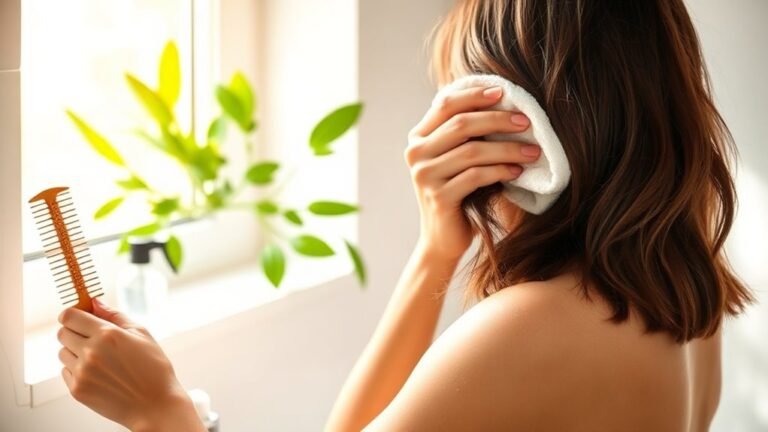
- Cover hair with a warm towel or cap for 15-30 minutes
Following these steps helps your hair lock in hydration without feeling greasy or weighed down. It’s all about keeping that moisture in without the heaviness!
Oils to Avoid for Low Porosity Hair Types
Although oils can nourish low porosity hair, some types can weigh it down or cause buildup, making your hair feel greasy and lifeless. Avoid heavy oils like castor oil and coconut oil, as they tend to sit on the surface due to your hair’s tight cuticles.
These oils can clog pores and prevent moisture from penetrating. Mineral oil is another culprit; it creates a barrier that traps dirt and buildup, leading to dullness.
Stay away from thick butters like shea butter or petroleum-based products, which can contribute to product buildup and make it hard for your hair to breathe. Instead, opt for lighter oils that absorb quickly and won’t overwhelm your strands, keeping your hair healthy and vibrant.
Combining Oils With Other Hair Care Products
You can boost your low porosity hair‘s moisture by layering oils with other products in the right order.
Try mixing lightweight oils into your conditioner to help it absorb better.
Understanding these techniques will make your routine more effective and your hair healthier.
Layering Techniques for Absorption
When caring for low porosity hair, layering oils with other hair products can maximize moisture absorption and retention. To make the most of your routine, start with a water-based leave-in conditioner to hydrate your strands.
Follow it with a lightweight oil like jojoba or grapeseed to seal in moisture without weighing hair down. Finally, add a cream or butter for extra nourishment and protection.
Try these layering techniques for better absorption:
- Apply products to damp hair to open cuticles
- Use small amounts of oil to avoid buildup
- Warm oils slightly before application for easier penetration
- Seal the ends of your hair to lock in moisture
This method helps your hair stay soft, hydrated, and healthy all day.
Mixing Oils With Conditioners
Building on layering techniques, mixing oils directly with conditioners can enhance your hair care routine by boosting hydration and improving product absorption. When you blend oils like argan or jojoba with your conditioner, you create a richer formula that penetrates low porosity hair more effectively.
This combination helps seal moisture without weighing your hair down. Pretty neat, right?
| Oil Type | Benefits for Low Porosity Hair |
|---|---|
| Argan Oil | Lightweight, adds shine, non-greasy |
| Jojoba Oil | Mimics natural oils, balances scalp |
| Grapeseed | Absorbs quickly, strengthens strands |
| Coconut Oil | Use sparingly, seals moisture well |
Just mix a few drops of these oils into your conditioner and apply evenly for best results. It’s an easy way to step up your hair care game!
Frequently Asked Questions
Can Low Porosity Hair Benefit From Hot Oil Treatments?
Yes, you can benefit from hot oil treatments if you have low porosity hair. They help open your cuticles, allowing oils to penetrate better.
This improves moisture retention and overall hair health when done properly and not too often. Just make sure not to overdo it!
How Often Should Oils Be Reapplied on Low Porosity Hair?
You should reapply oils on low porosity hair about once or twice a week. This prevents buildup while maintaining moisture.
Listen to your hair’s needs—if it feels dry, go ahead and apply more as needed. It’s all about finding what works best for you!
Are There Oils That Help With Scalp Health for Low Porosity Hair?
You’ve hit the nail on the head—tea tree and jojoba oils help with scalp health by fighting dandruff and moisturizing without clogging pores.
They’re perfect for giving your scalp the TLC it truly deserves.
Can Essential Oils Be Mixed With Carrier Oils for Low Porosity Hair?
Yes, you can mix essential oils with carrier oils for your low porosity hair. Just make sure to dilute the essential oils properly to avoid irritation and help your scalp absorb them better.
This combo really boosts scalp health and nourishes your hair effectively. It’s a great way to give your hair some extra love!
Do Oils Affect Hair Color Retention in Low Porosity Hair?
Think of your hair as a canvas—oils can act like a protective varnish. When you use lightweight oils, they help lock in color, preventing fading and keeping your low porosity hair vibrant and healthy longer.
It’s kind of like giving your hair a little shield. This way, the color stays put, and your hair looks fresh for days. Plus, it keeps your strands feeling soft and nourished too.
Conclusion
Now that you know which oils work best for your low porosity hair, you can ditch the guesswork and embrace moisture that truly penetrates. Think of it like sending a telegram in the age of instant texts—sometimes, the old-school, lightweight oils deliver the most effective results.
Remember to apply oils correctly and avoid heavy options that just sit on your strands. With the right oils, your hair will stay hydrated, healthy, and shining bright every day.
Choosing the best oils for low porosity hair makes all the difference. Lightweight oils like argan oil, jojoba oil, and grapeseed oil can easily penetrate your hair shaft without causing buildup. This means your hair absorbs more moisture, stays soft, and avoids that greasy feel.
So, by incorporating these nourishing oils into your hair care routine, you’ll keep your low porosity hair moisturized, strong, and radiant. Embrace the power of the right oils and watch your hair transform with healthy shine and lasting hydration!