7 Best Hair Oils for Low Porosity Hair Care
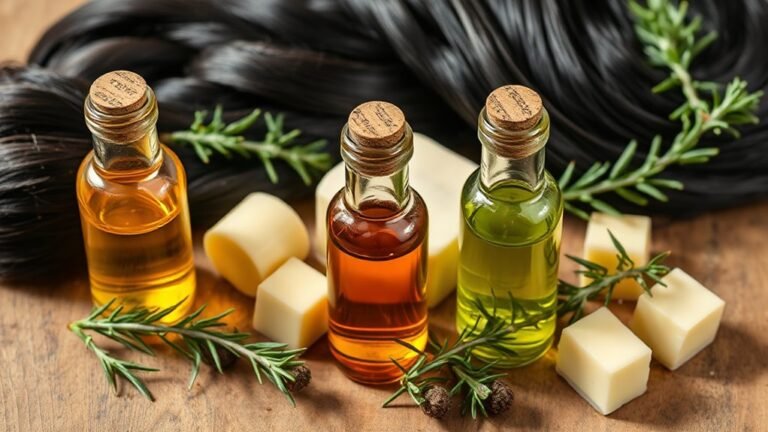
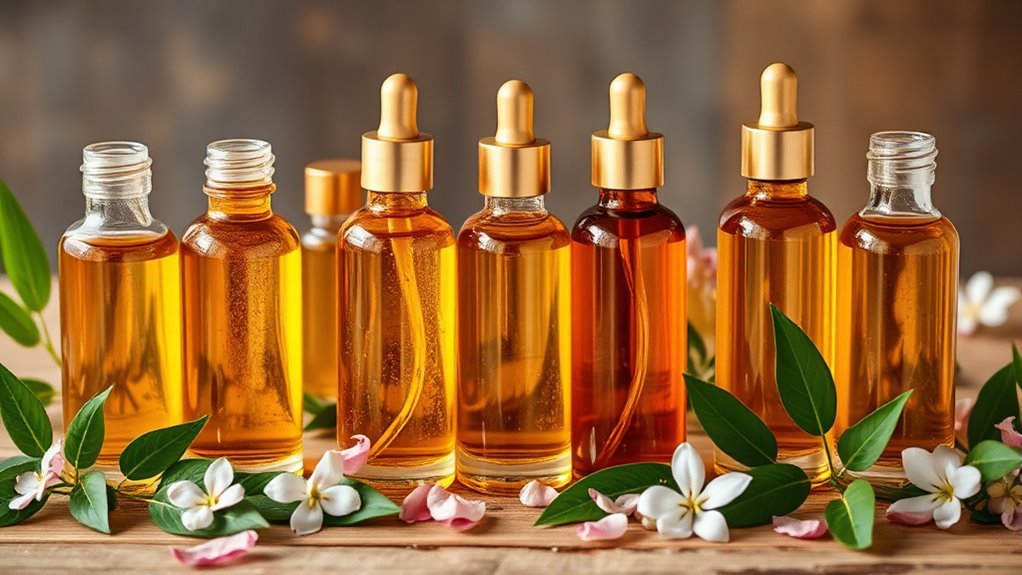
For low porosity hair, it’s important to pick lightweight oils that nourish without causing buildup. These oils help your hair absorb moisture better and keep it healthy.
Jojoba oil is great because it mimics your scalp’s natural oils, making moisture absorption easier.
Argan and sweet almond oils add shine and strengthen each strand, giving your hair a healthy glow.
Grapeseed oil hydrates your hair without feeling heavy, while castor oil supports scalp health and encourages growth.
Marula oil quickly seals in moisture, and avocado oil locks it all in for lasting softness.
Keep exploring to find out how each oil can work best for your unique hair needs. Finding the right oil can make a big difference in your low porosity hair care routine!
Key Takeaways
- Jojoba oil mimics natural scalp sebum, enhancing moisture absorption without clogging pores in low porosity hair. It’s great because it feels light and doesn’t weigh your hair down.
- Marula oil is lightweight, quickly absorbed, and seals moisture while protecting low porosity hair from environmental damage. Plus, it leaves your hair feeling soft and nourished.
- Argan oil nourishes and smooths hair cuticles, reduces frizz, and strengthens strands without weighing hair down. It’s perfect if you want sleek, manageable hair.
- Avocado oil locks in hydration with oleic acid and vitamins, creating a protective barrier ideal for low porosity hair. It really helps keep your hair moisturized for longer.
- Grapeseed and sweet almond oils provide non-greasy hydration, improve elasticity, and reduce breakage in low porosity hair. They’re a fantastic combo to keep your hair healthy and strong.
Jojoba Oil for Enhanced Absorption
Although low porosity hair often resists moisture, jojoba oil can help you improve absorption. This oil closely mimics your scalp’s natural sebum, allowing it to penetrate your hair shaft more easily.
When you apply jojoba oil, it creates a lightweight barrier that locks in moisture without weighing your hair down or leaving it greasy. You can use it as a pre-shampoo treatment or mix a few drops into your conditioner for better hydration.
Because it’s non-comedogenic and gentle, jojoba oil won’t clog your pores or irritate your scalp. Regular use can soften your strands and make them more receptive to other moisturizing products.
This helps your hair stay healthy and manageable despite its low porosity nature. So, if you’ve been struggling to get moisture in, jojoba oil might just be your new best friend.
Argan Oil to Boost Shine and Softness
Jojoba oil helps your hair absorb moisture more easily, but to add noticeable shine and softness, argan oil is a fantastic option. It’s rich in vitamin E and essential fatty acids, which really work to penetrate low porosity hair without weighing it down.
Argan oil smooths the hair cuticle, reducing frizz and enhancing natural shine. When you apply argan oil, it strengthens your strands and locks in moisture for longer-lasting softness.
Argan oil tames frizz, boosts shine, and locks in moisture for soft, strong hair all day long.
Here’s why argan oil stands out for low porosity hair:
- Lightweight texture that won’t clog pores or cause buildup
- Antioxidant properties that protect hair from environmental damage
- Non-greasy finish that leaves hair silky and manageable
Try using argan oil as a finishing touch. It’s perfect for boosting shine and keeping softness throughout the day.
Grapeseed Oil for Lightweight Moisturizing
You’ll love grapeseed oil if you want a lightweight moisturizer that won’t weigh your low porosity hair down. It absorbs quickly and helps lock in moisture without leaving a greasy feel.
Applying it on damp hair can boost hydration while complementing your hair’s natural barrier. It’s like giving your strands a little extra love without any heaviness. Trust me, your hair will thank you!
Benefits of Grapeseed Oil
When you want to keep your low porosity hair moisturized without weighing it down, grapeseed oil offers an excellent solution. This lightweight oil absorbs quickly, sealing in moisture while leaving your hair soft and manageable.
It’s rich in antioxidants and vitamin E, which help protect your strands from damage and promote healthy growth. Grapeseed oil also balances your scalp’s natural oils, reducing dryness and flakiness without clogging pores.
Here’s why grapeseed oil stands out for low porosity hair care:
- Non-greasy hydration: Penetrates hair shaft easily, preventing buildup
- Strengthens hair: Boosts elasticity and reduces breakage
- Scalp health: Soothes irritation and supports a balanced scalp environment
Using grapeseed oil can enhance your hair’s moisture retention while keeping it light and bouncy. It’s a great go-to for anyone looking to treat their hair gently but effectively.
Application Tips for Moisturizing
Grapeseed oil’s lightweight nature makes it perfect for moisturizing low porosity hair without weighing it down. To get the most from it, apply when your hair is damp to lock in moisture.
Start with a small amount to avoid buildup. Warm the oil slightly before use to help it absorb better. Focus on the ends and mid-lengths, where dryness is more common.
| Step | Tip |
|---|---|
| 1. Damp Hair | Apply on freshly washed, damp hair |
| 2. Warm Oil | Slightly warm for better absorption |
| 3. Small Amount | Start with a few drops |
| 4. Concentrate Areas | Target ends and mid-lengths |
| 5. Seal Moisture | Use after leave-in conditioner |
This method keeps your hair soft without heaviness or residue. Give it a try and see the difference!
Grapeseed Oil and Porosity
Although low porosity hair can resist moisture absorption, using a lightweight oil like grapeseed oil helps you lock in hydration without weighing your hair down. Grapeseed oil penetrates your hair shaft easily, sealing in moisture while keeping your strands soft and manageable.
It’s rich in antioxidants and vitamin E, which nourish your scalp and promote healthy hair growth. When incorporating grapeseed oil into your routine, consider these benefits:
- Enhances moisture retention without heaviness
- Strengthens hair and reduces breakage
- Adds natural shine and smoothness
Sweet Almond Oil to Strengthen Hair
Because sweet almond oil is rich in vitamins A, E, and fatty acids, it penetrates low porosity hair easily, helping to strengthen and nourish each strand. You’ll find that it softens your hair without weighing it down, making it ideal for your hair’s unique needs.
Applying it regularly can reduce breakage and improve elasticity, giving your hair a healthier appearance. Plus, it smooths the cuticle, adding shine and reducing frizz.
Regular application reduces breakage, boosts elasticity, smooths cuticles, enhances shine, and tames frizz for healthier hair.
To use, warm a small amount between your hands and massage it through damp hair, focusing on the ends where damage tends to be worst. Sweet almond oil also works well as a sealing oil after your leave-in conditioner.
Incorporating it into your routine helps maintain stronger, more resilient low porosity hair. Give it a try, and you might just love the way your hair feels!
Castor Oil for Scalp Health and Growth
When you want to boost scalp health and encourage hair growth, castor oil is a powerful choice. Its rich content of ricinoleic acid helps improve blood circulation to your scalp, promoting healthier follicles.
Plus, castor oil’s natural antifungal and antibacterial properties keep your scalp clean and balanced, reducing dandruff and irritation. Applying it regularly can strengthen your roots and make hair growth more consistent.
Here’s why castor oil works well for low porosity hair:
- Its thick consistency helps seal moisture without overwhelming your hair.
- It penetrates the scalp to nourish follicles deeply.
- It supports scalp detoxification, promoting a healthy environment for growth.
Using castor oil consistently can transform your scalp and encourage stronger, longer hair over time. Give it a try, and you might just notice the difference!
Marula Oil for Deep Hydration
You’ll love how marula oil deeply hydrates without weighing down your low porosity hair.
Applying it to damp strands helps lock in moisture more effectively than many other oils.
Let’s explore why marula oil stands out and how to use it for the best results.
Benefits of Marula Oil
Marula oil offers powerful hydration that works especially well for low porosity hair. Because it’s lightweight and rich in antioxidants, it penetrates your hair without weighing it down or leaving a greasy residue.
When you use marula oil, you nourish your strands deeply, improving elasticity and reducing breakage. It also seals in moisture effectively, making your hair feel softer and look shinier.
Here’s why marula oil benefits your low porosity hair:
- Fast absorption: It slips through the cuticle easily, delivering moisture where your hair needs it most.
- Rich in fatty acids: These strengthen your hair and protect against environmental damage.
- Antioxidant properties: They repair and prevent damage, keeping your hair healthy and vibrant.
Application Tips for Hydration
Although low porosity hair can be challenging to hydrate, applying marula oil correctly guarantees your strands absorb maximum moisture. Start by warming a small amount of marula oil between your palms; this helps it penetrate better.
Apply it on damp hair after washing, focusing on mid-lengths and ends where dryness is common. Use gentle, downward strokes to seal in moisture without disrupting your natural hair pattern.
For deep hydration, try the “LOC” method—apply Liquid (water or leave-in), then Oil (marula), and finally a Cream to lock everything in. Avoid applying too much oil at once; a little goes a long way.
Consistency is key, so incorporate marula oil into your routine regularly to maintain soft, hydrated hair. You’ll notice the difference with just a bit of effort!
Marula Oil vs. Others
When comparing oils for deep hydration, marula oil really stands out. It absorbs quickly without leaving a greasy residue, which is a big plus.
Unlike heavier oils like castor or coconut, marula oil works great on low porosity hair. It penetrates effectively, sealing in moisture without weighing your strands down.
Plus, its high antioxidant and fatty acid content protects your hair from environmental damage while promoting softness and shine.
So, if you’re deciding between oils, consider these benefits of marula oil:
- Lightweight texture that suits low porosity hair
- Rich in oleic acid for enhanced moisture retention
- Natural antioxidants that nourish and protect hair
Avocado Oil to Seal in Moisture
If you want to lock in hydration without weighing your hair down, avocado oil is a great choice for low porosity hair. It’s rich in oleic acid and vitamins A, D, and E, so it penetrates the hair shaft easily and helps seal in moisture.
You can apply it right after moisturizing your hair to create a protective barrier that keeps water from evaporating. Unlike heavier oils, avocado oil won’t leave your strands greasy or limp, which makes it perfect for daily use.
Plus, it promotes scalp health and strengthens hair, reducing breakage. To get the best results, warm the oil slightly before applying it—this helps it absorb better.
Incorporating avocado oil into your routine guarantees your low porosity hair stays hydrated and healthy. It’s a simple way to keep your hair looking and feeling great!
Frequently Asked Questions
How Often Should I Wash Low Porosity Hair?
You should wash low porosity hair every 7 to 10 days to avoid product buildup and maintain moisture.
Over-washing can make your hair feel dry and weighed down, so stick to a gentle routine. It’s all about finding that balance that keeps your hair healthy and happy.
Can Heat Damage Affect Porosity Levels?
Yes, heat damage can increase your hair’s porosity by breaking down the cuticle layer. This makes your hair more porous, causing moisture loss and potential brittleness.
What Is the Best Shampoo for Low Porosity Hair?
Choosing the best shampoo for low porosity hair is like picking a gentle breeze—it should be lightweight and clarifying.
Look for sulfate-free, moisturizing shampoos with ingredients like tea tree or aloe vera to cleanse without weighing your hair down. It’s all about keeping things light and fresh, you know?
How Do I Test My Hair Porosity at Home?
Fill a glass with water, then drop a clean strand of your hair in.
If it sinks quickly, your porosity is high; if it floats, it’s low.
Try this a few times for accuracy. It’s a simple trick, but it really helps you get a good idea of your hair’s porosity.
Are Protein Treatments Suitable for Low Porosity Hair?
About 70% of low porosity hair benefits from protein treatments when used sparingly. You shouldn’t overdo it, though, since too much protein can cause stiffness and breakage.
Balance with moisturizing products for best results. It’s all about finding the right mix that works for your hair.
Conclusion
Think of your low porosity hair as a delicate garden—each oil is a unique drop of rain nurturing it in its own way. Jojoba oil helps your strands drink deeply, while argan and marula oils shine like morning sun, awakening softness and hydration.
Grapeseed and sweet almond oils are gentle breezes strengthening your roots, and castor and avocado oils act as protective soil, locking in moisture and growth.
Choosing the best hair oils for low porosity hair means picking the right blend that nourishes without weighing down your strands. These oils penetrate gently, keeping your hair hydrated, soft, and healthy. So, embrace these natural oils and watch your low porosity hair bloom beautifully with shine and strength every day!