Top 7 Best Oils for Low Porosity Hair
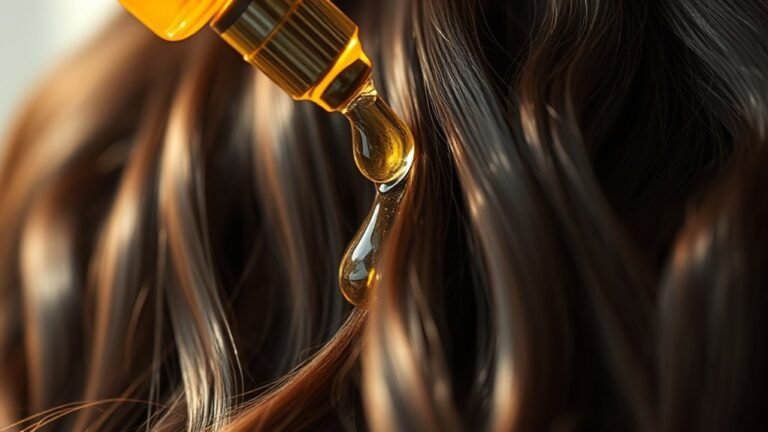
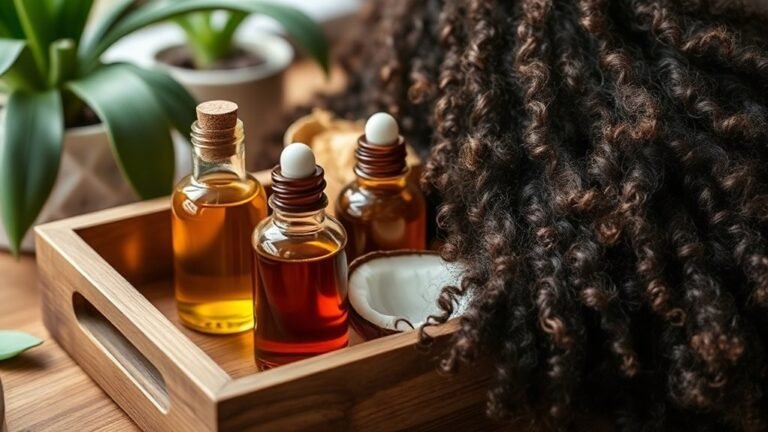
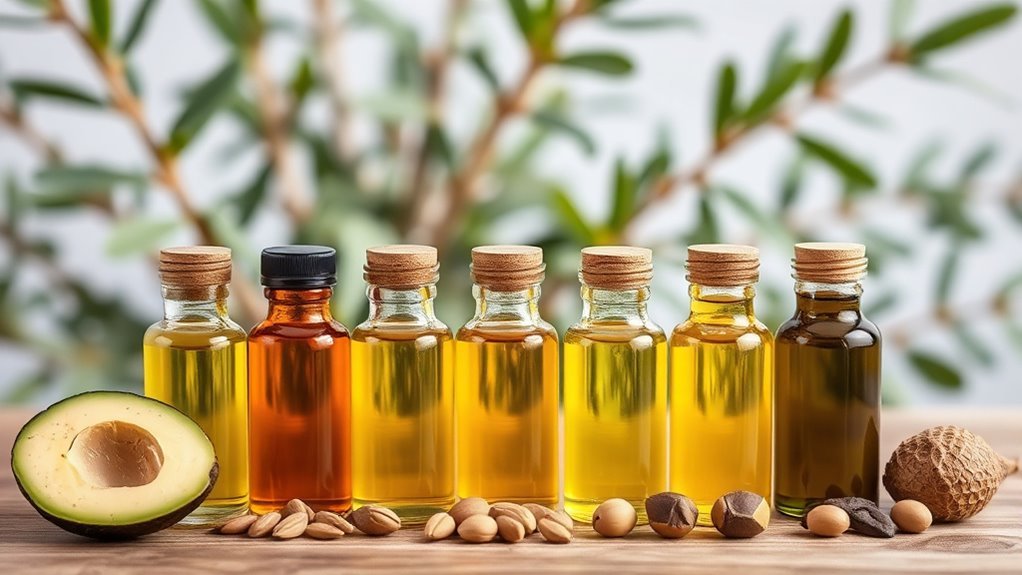
For low porosity hair, you’ll want to use lightweight oils like jojoba, argan, grapeseed, sweet almond, marula, safflower, and kukui nut oil.
These are some of the best oils for low porosity hair because they absorb quickly without leaving any residue. This helps lock in moisture, reduce frizz, and promote a healthy scalp.
They nourish your strands while keeping hair soft and manageable.
Plus, using the right oils can make a big difference in how your hair feels and looks. If you’re curious about how each oil benefits your hair and the best way to use them, keep exploring these natural options.
You’ll find that choosing the right oil can really transform your hair care routine.
Key Takeaways
- Jojoba oil mimics natural scalp oils, absorbs easily, and seals moisture without greasy buildup. It’s ideal for low porosity hair because it won’t weigh your hair down.
- Argan oil locks in hydration, enhances shine, and reduces frizz. Plus, it protects your hair from heat and environmental damage.
- Grapeseed oil is lightweight and strengthens hair. It also boosts shine and seals moisture without leaving any residue.
- Sweet almond oil locks in moisture and nourishes with vitamins A and E. It improves elasticity without making your hair feel heavy.
- Marula oil absorbs quickly and reduces frizz. It protects hair with antioxidants and essential fatty acids, making it great for low porosity hair.
Jojoba Oil
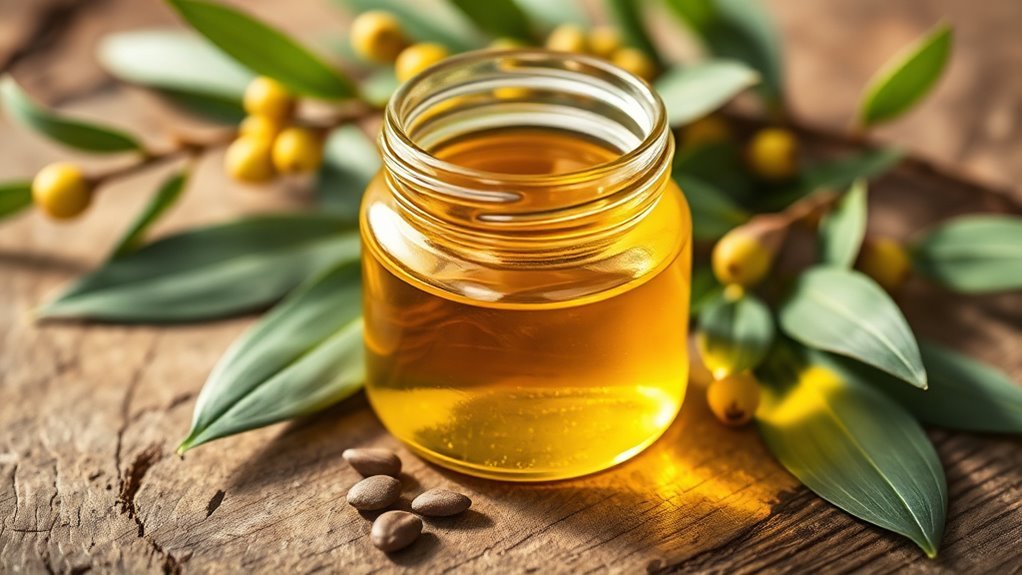
Jojoba oil closely mimics your scalp’s natural oils, making it perfect for low porosity hair. Since it’s lightweight and easily absorbed, it won’t weigh your hair down or leave a greasy residue.
When you apply jojoba oil, it helps balance your scalp’s oil production, which can prevent buildup that often frustrates low porosity hair types. Using it regularly, you’ll notice your hair feels softer and looks shinier without feeling heavy.
Plus, jojoba oil forms a protective barrier, sealing in moisture and reducing frizz. You can use it as a pre-shampoo treatment, a scalp massage oil, or a light leave-in.
Jojoba oil locks in moisture and tames frizz, perfect as a pre-shampoo, scalp massage, or light leave-in.
Its versatility fits right into your hair routine, promoting healthier strands without overwhelming your hair’s natural structure. It’s pretty easy to love jojoba oil once you see how well it works!
Argan Oil

You’ll love argan oil for your low porosity hair because it absorbs easily without weighing your strands down.
To get the best results, warm a few drops in your hands before applying to help it penetrate better.
Try using it as a sealant after moisturizing to lock in hydration and keep your hair soft.
Benefits for Low Porosity
Although low porosity hair can be tricky to moisturize, argan oil penetrates the hair shaft effectively, delivering essential nutrients without weighing your hair down. This lightweight oil locks in moisture, enhances shine, and reduces frizz, making your hair more manageable.
Plus, it protects your strands from environmental damage and heat styling. So, if you’re struggling with dry or dull hair, argan oil might just be your new best friend.
| Benefit | Why It Matters |
|---|---|
| Deep Moisturization | Nourishes hair without buildup |
| Lightweight | Won’t weigh down fine strands |
| Frizz Reduction | Smooths hair for a polished look |
| Heat & UV Protection | Shields hair from damage |
Application Tips and Tricks
Applying argan oil correctly can make a significant difference in how well it nourishes your low porosity hair. Start by warming a few drops between your palms to activate its moisturizing properties.
Apply it on damp hair, focusing on the mid-lengths and ends where damage is most common. Just avoid the scalp to prevent buildup.
To get the most out of it, use a wide-tooth comb to spread the oil evenly. For deeper absorption, try a warm oil treatment by wrapping your hair in a warm towel for about 20 minutes after applying.
Remember, don’t overdo it—a little argan oil goes a long way. You can use it as a pre-shampoo treatment or as a finishing touch to seal in moisture.
Incorporate it into your regular routine, and your low porosity hair will thank you with added softness and shine. Easy, right?
Grapeseed Oil
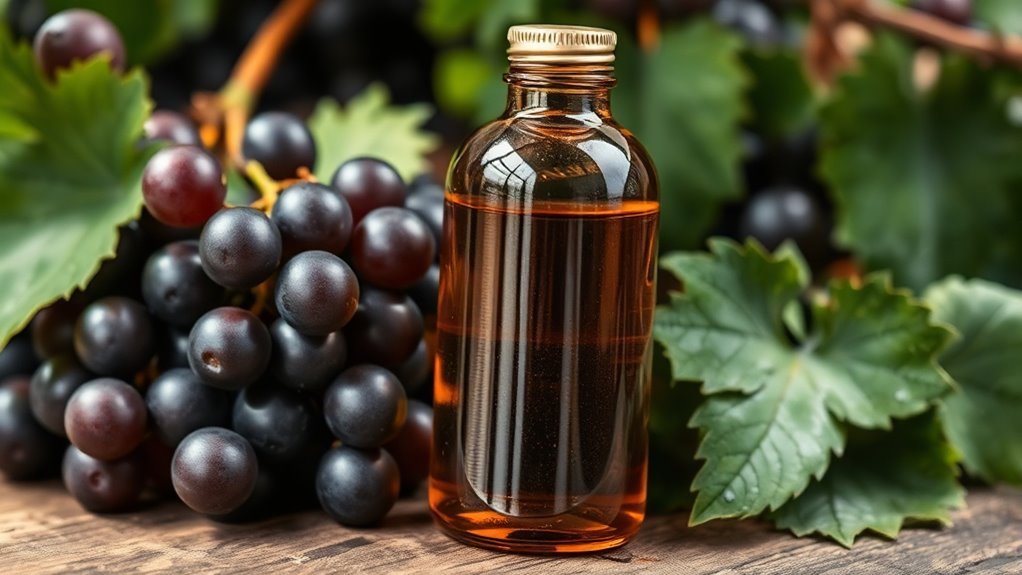
Grapeseed oil offers a lightweight, non-greasy option that works exceptionally well for low porosity hair. Because it has a thin consistency, it easily penetrates your hair shaft without weighing it down or leaving a heavy residue.
This oil is rich in linoleic acid, which helps strengthen your hair while sealing in moisture. When you apply grapeseed oil, it boosts your hair’s natural shine and softness, making it more manageable.
You can use it as a daily moisturizer or mix it with your favorite conditioners to enhance hydration. Just warm a small amount before applying to help it absorb better.
Grapeseed oil is also great for sealing the ends, preventing breakage without clogging your pores or causing buildup. It’s pretty handy for keeping your hair healthy and looking great!
Sweet Almond Oil
You’ll find sweet almond oil excellent for locking in moisture without weighing your low porosity hair down.
To get the best results, apply it on damp hair or mix it with your leave-in conditioner. This oil absorbs quickly, helping your hair stay hydrated and soft throughout the day.
It’s super easy to use and really gentle, so your hair will thank you for it!
Benefits for Moisture Retention
Although low porosity hair can struggle to absorb moisture, sweet almond oil helps lock it in effectively. When you apply it, its lightweight texture forms a protective barrier that seals moisture inside your strands without weighing them down.
This means your hair stays hydrated longer, reducing dryness and brittleness. Sweet almond oil is rich in vitamins A and E, which nourish your scalp and hair shaft, promoting softness and shine.
By preventing moisture loss, it also improves elasticity, making your hair less prone to breakage. Using sweet almond oil regularly supports your hair’s natural moisture balance, helping you maintain healthier, more manageable locks that resist environmental stressors.
It’s a simple yet powerful way to keep your low porosity hair moisturized throughout the day.
Best Usage Tips
When applying sweet almond oil to low porosity hair, start with a small amount to avoid buildup and focus on the ends where moisture tends to escape. You can use it as a pre-shampoo treatment by warming a few drops and massaging it into your scalp and strands to boost moisture absorption.
For daily use, mix a few drops with your leave-in conditioner to lock in hydration without weighing your hair down. Avoid applying too much oil at once, as low porosity hair can feel greasy quickly.
Also, use heat, like a warm towel or steam, to help the oil penetrate better. Regularly incorporating these tips will help you maximize sweet almond oil’s benefits without compromising your hair’s natural balance.
Marula Oil
Marula oil delivers a lightweight, nourishing boost that’s perfect for low porosity hair. You’ll appreciate how quickly it absorbs without leaving a greasy residue, making it ideal for sealing in moisture.
Packed with antioxidants and essential fatty acids, marula oil strengthens your hair while enhancing shine and softness. It helps protect your strands from environmental damage and reduces frizz, which is a common challenge with low porosity hair.
To use, warm a few drops between your palms and apply it to damp hair, focusing on the ends. You can also add it to your leave-in conditioner to boost hydration.
Marula oil’s light texture guarantees your hair stays manageable and healthy without weighing it down. It’s a simple way to keep your hair looking and feeling great!
Safflower Oil
Since low porosity hair tends to resist moisture absorption, safflower oil works wonders by penetrating the hair shaft quickly without leaving buildup.
You’ll find it light, making it perfect for sealing in moisture without weighing your hair down.
This oil’s high linoleic acid content nourishes and strengthens your strands, promoting softness and shine.
When you use safflower oil, imagine silky smooth strands gliding through your fingers.
Plus, a light, non-greasy finish that lasts all day.
Enjoy a light, non-greasy finish that keeps your hair feeling fresh and vibrant all day long
You’ll also get enhanced moisture retention locking in hydration, reduced frizz with a natural, healthy sheen, and hair that feels soft, nourished, and manageable.
Safflower oil is a fantastic choice to keep your low porosity hair hydrated and healthy without any heaviness.
Kukui Nut Oil
Kukui nut oil offers a lightweight yet deeply nourishing option for low porosity hair, easily absorbing without leaving residue. If you struggle with products that sit on your hair, this oil’s thin consistency helps it penetrate the cuticle quickly.
It’s rich in essential fatty acids and antioxidants, which strengthen your strands and improve elasticity. You can use kukui nut oil as a daily moisturizer or mix it with your leave-in conditioner for added hydration.
Plus, it soothes your scalp, reducing dryness and irritation. Because it’s non-greasy, you won’t have to worry about buildup weighing your hair down.
Incorporate kukui nut oil into your routine to enjoy soft, manageable hair that stays moisturized without feeling heavy or oily. It’s a simple way to keep your hair feeling healthy and fresh every day.
Frequently Asked Questions
How Often Should I Oil Low Porosity Hair?
You should oil low porosity hair about once a week to avoid buildup. Focus on lightweight oils and apply them on damp hair to help absorption.
Adjust frequency based on how your hair responds and feels. It’s all about finding what works best for you!
Can I Mix These Oils for Better Results?
Absolutely, you can blend those oils to create a personalized elixir. Just remember, less is more—mix sparingly to avoid buildup.
Your hair will thank you with enhanced moisture and shine.
Are These Oils Safe for Color-Treated Hair?
Yes, these oils are generally safe for color-treated hair. They help lock in moisture without stripping color.
Just patch test first, and avoid oils with harsh additives. This will help keep your color vibrant and healthy.
What Is the Best Method to Apply Oil on Low Porosity Hair?
You should apply oil on damp hair, using a warm oil treatment for better absorption. Massage gently into your scalp and strands.
Then, cover with a shower cap to lock in moisture and boost penetration effectively. This method really helps the oil to soak in well. Give it a try!
Can These Oils Help With Dandruff or Scalp Issues?
You might be surprised, but yes—these oils can soothe dandruff and scalp issues by moisturizing and reducing inflammation.
Just apply them consistently, and you’ll notice your scalp feeling healthier and less flaky over time.
Conclusion
When it comes to caring for your low porosity hair, choosing the right oil can make all the difference. Jojoba, argan, grapeseed, and the others on this list are like a refreshing change for your strands. They help your hair absorb moisture without feeling weighed down.
Give these oils a try, and you’ll soon see your hair glowing with health. It really proves that sometimes, the best things do come in small packages. Using the best oils for low porosity hair can transform your routine and bring out your hair’s natural shine and softness. So go ahead, treat your hair to these nourishing oils and enjoy the benefits of well-moisturized, vibrant locks every day!